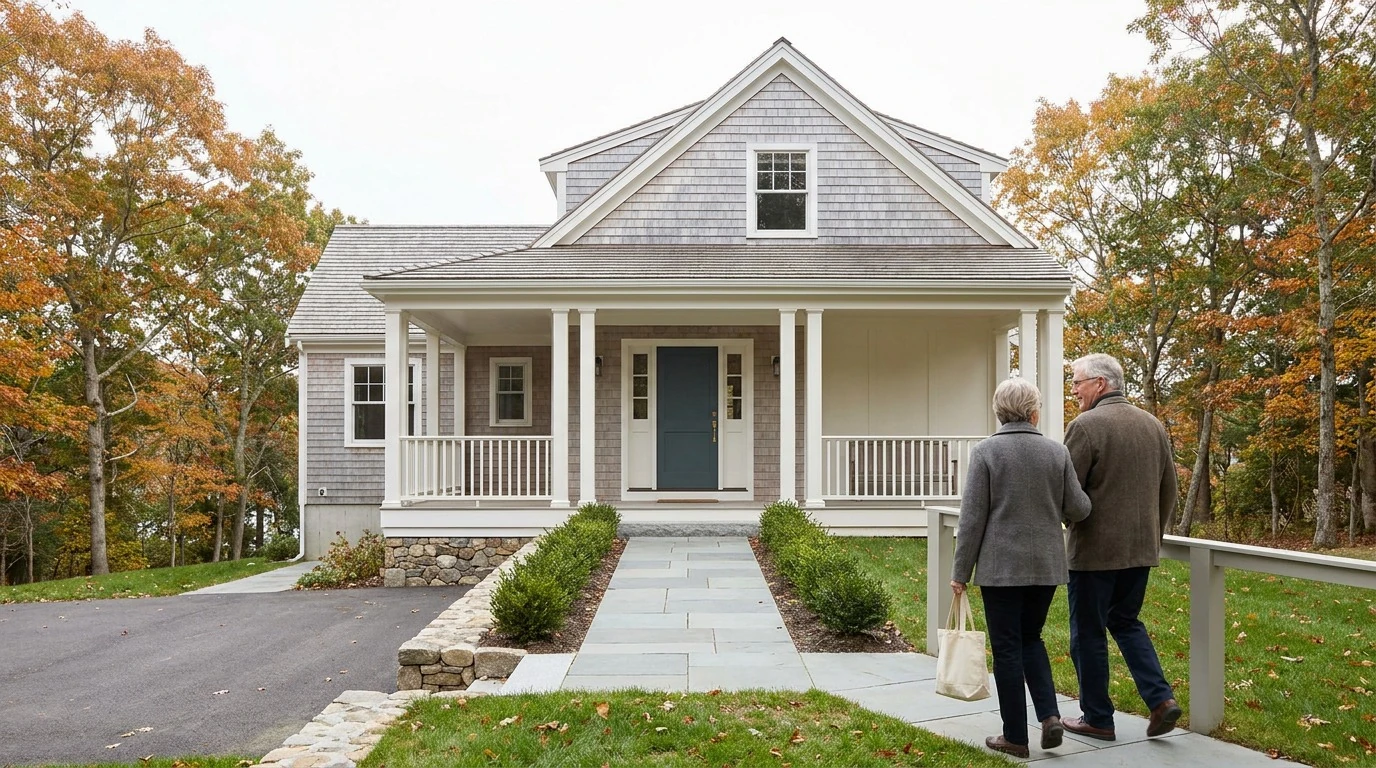
The luxury custom home features that most reliably increase resale value in Massachusetts include chef-grade kitchens with quartz surfaces and paneled appliances, spa-level primary bathrooms with heated floors, a tight energy-efficient building envelope, wide-plank white oak hardwood throughout, integrated smart-home systems, and expanded three-season outdoor living space. Focus on features that meet North Shore buyer expectations rather than one-off personal preferences that shrink your buyer pool.
Massachusetts custom home buyers ask two questions before they sign a construction contract. First, will this home feel like the one they have been picturing for years. Second, will the money they are about to spend hold its value if life takes them somewhere else in ten or fifteen years. Both questions are fair, and both point to the same answer when a builder-led design process is guiding the decisions.
At Genesis Construction and Development, we plan custom homes the way an owner would plan an investment portfolio: with a clear read on which finishes, systems, and layouts the next Andover, Wellesley, or Concord buyer will care about. This guide walks through the specific luxury custom home features that consistently increase resale value in Massachusetts, the ones that quietly hurt it, and how the decision framework changes when you are working with a design build firm from the very first sketch.
The North Shore and MetroWest luxury market is not chasing a single trend. Buyers in Weston and Lexington look at homes with a spreadsheet mindset. They value craftsmanship they can touch, systems they can see on the utility bill, and layouts that match how families actually live in 2026. That mindset shapes what pays off and what doesn't.
Three signals define luxury for today's Massachusetts buyer. Energy performance is now a status symbol, driven by the state's stretch energy code and rising utility costs. Timeless material choices, especially natural stone and white oak, outperform of-the-moment finishes because they age well through multiple ownerships. And usable square footage matters more than raw square footage, meaning a well-planned 4,200-square-foot home often out-appraises a poorly zoned 5,500-square-foot house on the same street.
Working with a custom home builder who understands these local nuances is different from hiring a general contractor to execute a set of plans. A design-build contractor stays in the room from concept through completion, which is where feature-level ROI actually gets protected.
These features consistently show up in North Shore closings above the county median. They are grouped by category so you can plan them into your build without letting the finish schedule become a wish list.
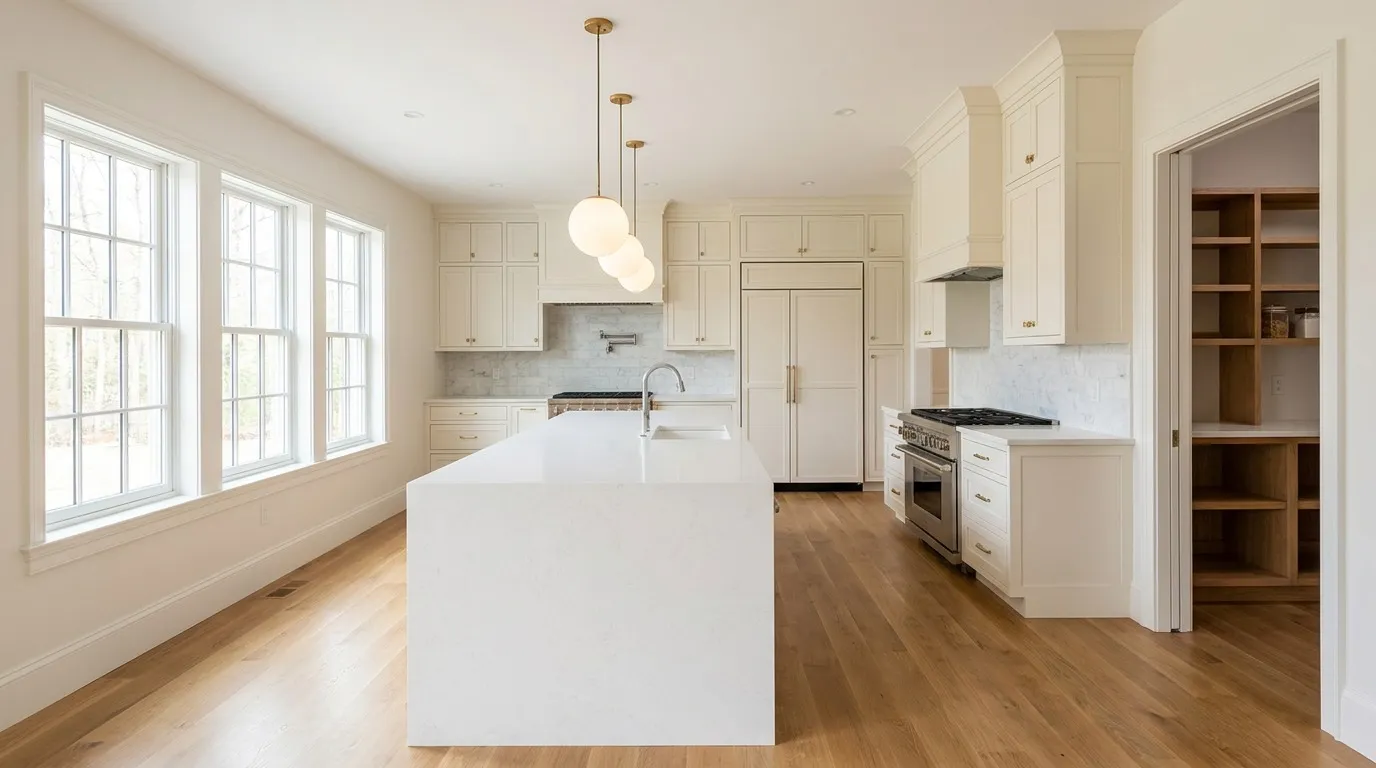
Kitchen and cooking core. A luxury custom kitchen in Massachusetts today includes a 48-inch professional gas or induction range, a paneled counter-depth refrigerator, quartz or honed marble counters, custom inset shaker cabinetry with soft-close hardware in muted brass or matte black, and a walk-in pantry with prep sink. Chef kitchens are the single strongest resale feature in the North Shore luxury tier, and they signal quality faster than any other room.
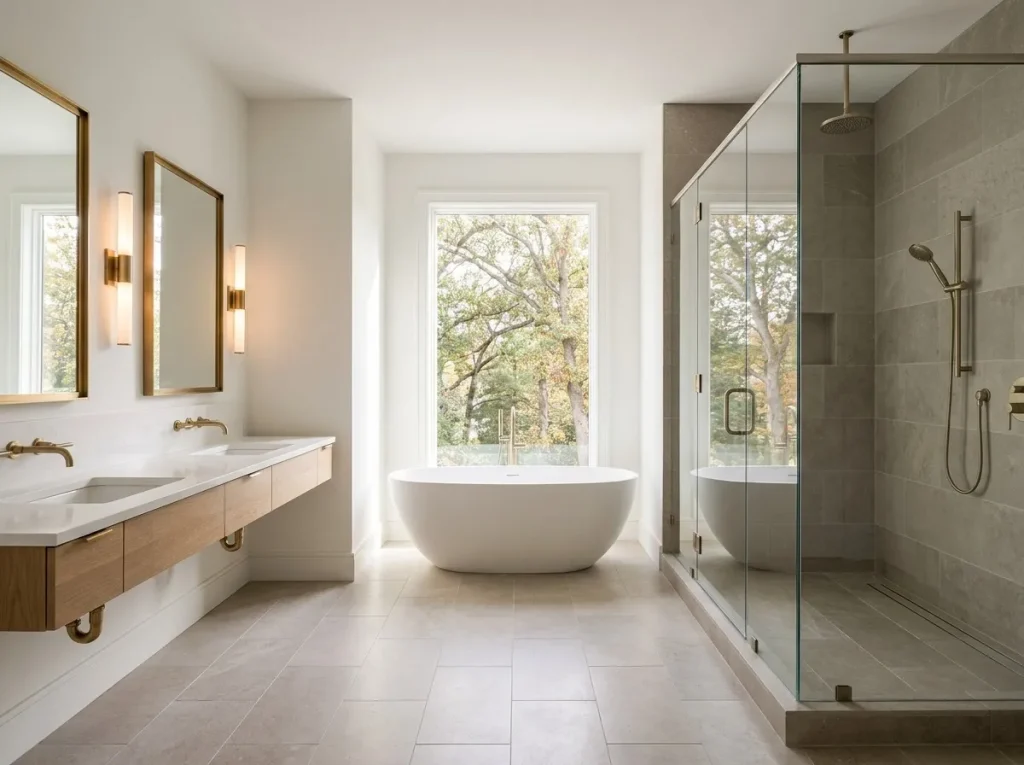
Primary suite as a private retreat. Buyers expect a bedroom that reads as its own wing. That means a spacious sleeping area with tray or coffered ceiling, a spa-style bathroom with a wet room or curbless shower plus a freestanding soaking tub, heated tile floors, dual vanities with warm undermount lighting, and a properly organized walk-in closet with dressers, drawers, and jewelry storage built in. This is where luxury home upgrades earn their keep at appraisal time.
Energy-efficient building envelope. Not glamorous on Zillow photos, but priceless at closing. Continuous exterior insulation, high-performance triple-pane windows, air sealing verified with a blower door test, heat pump HVAC with variable-speed compressors, and either solar-ready wiring or an installed PV array. This checks the sustainability box MetroWest and North Shore buyers now expect, and it aligns with Massachusetts's stretch code and the pending specialized opt-in code. For a deeper look at how these decisions compound.
Wide-plank hardwood, one species, one direction. Six- to nine-inch rift- and quartered white oak in a natural or lightly wire-brushed finish. Running the same floor through the main level, up the stairs, and through the upstairs hallways is a hallmark of custom home construction that renovation-heavy general contractor projects rarely achieve. Careful material selection for custom homes is what separates a finish schedule that ages well from one that dates within a decade.
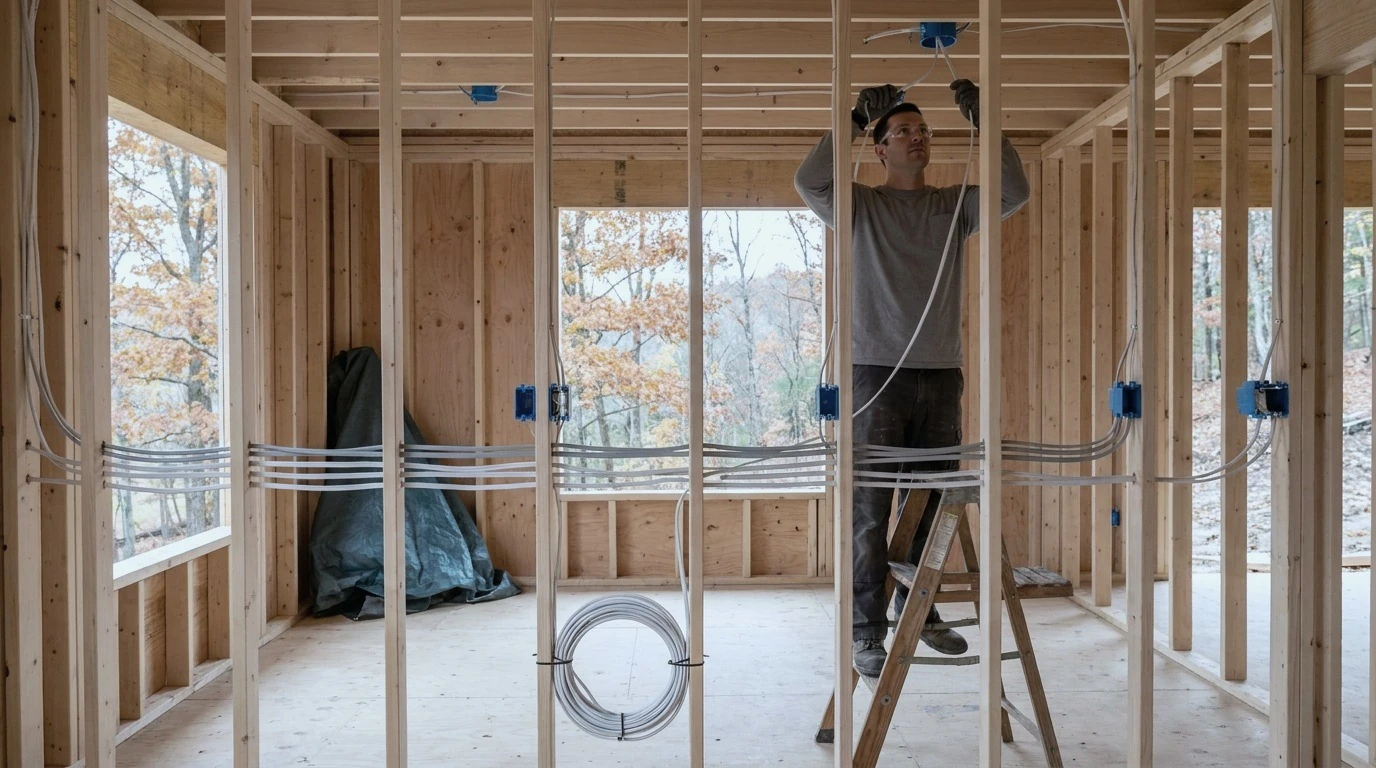
Smart-home integration that is genuinely integrated. Not a shelf of gadgets, but a documented system. Structured wiring throughout, hardwired ceiling access points for wifi, whole-house audio zones, integrated shades in main living spaces, and a single-app control system for HVAC, lighting scenes, and security cameras. Buyers pay for infrastructure they cannot easily retrofit, which is why planning smart-home integration during construction costs a fraction of a later retrofit.
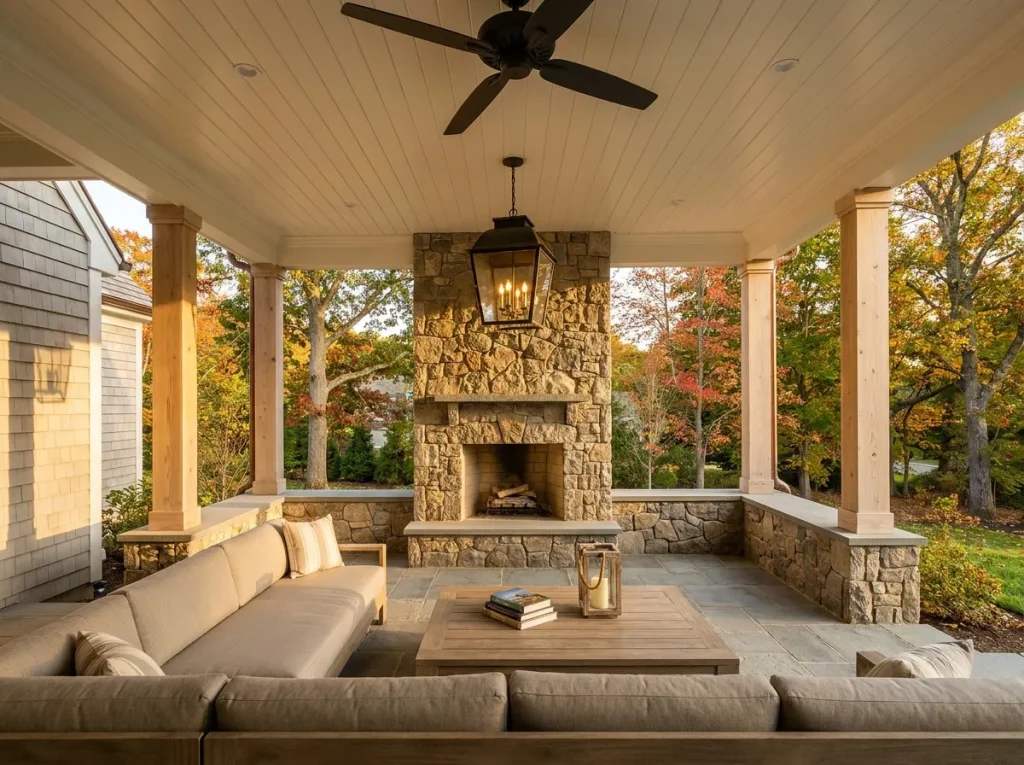
Three-season outdoor living space. A covered rear porch or screened room, an outdoor gas fireplace or masonry chimney, a permanent grilling station with counter space, and lighting rated for New England winters. Outdoor living is one of the highest-ROI additions to any luxury Massachusetts home because it extends usable square footage during the six warm months. It is also one of the strongest home renovations and remodeling investments if you already own the shell.
A right-sized garage with a working entry. Three bays are the North Shore expectation above the $2 million tier, ideally with one oversized bay for a boat or workshop. The garage-to-home transition should include a mudroom with individual cubbies, a dog wash or utility sink, and coat storage that is not just a hook on the wall.
Structured lower level. Not a finished basement. A properly programmed lower level with a media room, a home gym with rubberized flooring, a full bath, a wine room or beverage bar, and enough headroom (nine feet minimum) to feel like true living space. Egress windows and daylight sightlines are what separate lower-level luxury from a finished basement.
A dedicated home office, purpose-built. Post-pandemic, buyers in Sudbury and Wellesley expect at least one, and often two, private offices with hardwired ethernet, sound isolation, and enough natural light to sit through a full workday. This is one of the fastest-growing high-end home features in the Northeast custom market.
The following table pulls together approximate cost recovery ranges for these luxury custom home features on the Massachusetts North Shore, based on comparable market data and our own project observations. Actual numbers vary by town, appraiser, and buyer pool.
| Feature | Typical Resale Recovery | Effect on Days-on-Market | Strategic Value |
|---|---|---|---|
| Chef kitchen with premium appliances | 75 to 90 percent | Reduces DOM significantly | Highest single-feature ROI |
| Spa primary bathroom | 65 to 80 percent | Reduces DOM moderately | Strong appraisal contributor |
| Energy-efficient envelope | 60 to 70 percent | Growing buyer priority | Rising ROI trend |
| Wide-plank hardwood throughout | 80 to 95 percent | Reduces DOM significantly | Universal buyer appeal |
| Smart-home infrastructure | 50 to 65 percent | Small DOM benefit | Retrofit-resistant, sticky |
| Covered outdoor living | 70 to 85 percent | Reduces DOM moderately | Expands usable footprint |
| Three-bay garage with mudroom | 55 to 70 percent | Neutral to positive | Buyer pool expander |
| Structured lower level | 45 to 60 percent | Neutral | Value-per-square-foot lift |
| Dedicated home office | 60 to 75 percent | Reduces DOM moderately | Post-pandemic must-have |
For a broader national benchmark, Remodeling Magazine's 2024 Cost vs. Value Report tracks similar patterns, and the NKBA design trend research provides deeper detail on kitchen and bath features that command premiums.
Not every "luxury" feature earns its cost back. A few common misfires that we counsel clients away from during the design build process:
These items can be fantastic for the current owner. The issue is that they narrow the pool of future buyers, which is the definition of a resale drag.
The reason design build outperforms traditional general contractor delivery on luxury projects is simple: feature decisions are structural, not decorative. A chef kitchen affects framing, gas sizing, hood venting, and electrical load. A spa bathroom affects joist depth for heated floors and roof pitch for freestanding tub deck loads. A tight envelope changes HVAC sizing, which changes duct routing, which changes ceiling heights. When those trades are coordinated inside one team, luxury features get installed correctly the first time.
As luxury custom home builders, Genesis Construction and Development runs this coordination from the first concept meeting through the final walkthrough. That is fundamentally different from the fragmented model where an architect draws, a construction company bids, and a project manager tries to reconcile the two mid-build.
The design build construction approach also protects budget in ways that pure construction services cannot. When our team knows during schematic design that a client wants heated primary bathroom floors, the joist package, the boiler sizing, and the tile deflection allowance all get spec'd correctly. In a traditional model, that decision often surfaces late, becomes a change order, and either gets value-engineered out or costs three times what it should have cost.
The same coordination logic applies whether the project is a new custom home, custom home remodeling of an existing property, home additions that expand an aging floor plan, or multifamily construction in an MBTA overlay district. Every service line benefits from a design build firm because the trades are talking to each other from day one.
A chef-grade kitchen with premium appliances, quartz or honed stone counters, and custom inset cabinetry consistently returns the highest percentage of its cost at resale in the North Shore and MetroWest markets. Buyers use the kitchen as a proxy for overall build quality, so a well-executed kitchen also shortens days-on-market and drives up the final sale price.
Yes, and the trend is accelerating. Buyers in Lexington, Weston, and Concord now expect high-performance windows, heat pump HVAC, and continuous exterior insulation on any home above the $2 million tier. Massachusetts appraisers increasingly account for verified energy performance, and the state's stretch and specialized codes have made efficiency table stakes rather than an upgrade.
The infrastructure is worth the cost. Structured wiring, hardwired network access points, and low-voltage rough-in are hard to retrofit and hold their value indefinitely. The devices sitting on top of that infrastructure will get replaced every five to seven years, which is fine and expected.
A finished basement is drywall and carpet added after the fact. A structured lower level is planned during framing with nine-foot ceilings, egress windows, media room acoustics, and a full bath rough-in. Structured lower levels appraise as living space in a way that basic finished basements do not, and the cost delta is smaller than most owners assume when the plan is set at design time.
Often yes. High-end kitchen renovations, primary suite expansions, and covered outdoor living additions are common home remodeling services that deliver similar ROI to new custom construction. If your home has solid bones and a lot you love, professional home remodeling or a well-designed home addition may be the smarter move.
The Massachusetts luxury market rewards custom homes that combine timeless materials, real energy performance, and layouts that make sense for how families live now. It punishes homes that were built for one owner's specific hobbies. The gap between those two outcomes is almost always a planning gap, not a budget gap.
Genesis Construction and Development plans, coordinates, and delivers custom homes across Essex, Middlesex, and Norfolk counties with the resale question built into every feature decision. If you are thinking about a custom home in Andover, Wellesley, Concord, Lexington, Weston, Sudbury, or anywhere else on the North Shore or in MetroWest, we would welcome a conversation about which features fit your project and your long-term plan. To schedule a design consultation, call Genesis Construction and Development at 617-515-0005.
© 2025 Genesis Construction and Development Inc. - All rights reserved | Web Design & SEO By: Authority Solutions®