Home builders specialize in new custom home construction from the ground up, getting involved before land purchase to guide design and site selection. General contractors focus on execution and project management for renovations and projects with finalized plans. Massachusetts requires a Construction Supervisor License (CSL) for buildings under 35,000 cubic feet and separate Home Improvement Contractor (HIC) registration for work on existing 1-4 unit owner-occupied homes. Choosing the right professional depends on your project type, scope completeness, and desired level of design involvement.
When you are planning a construction project in Middleton, MA, understanding whether you need a home builder or a general contractor can save you time, money, and frustration. Many homeowners mistakenly use these terms interchangeably, but they represent different professionals with distinct expertise, especially when it comes to custom home construction versus renovation work.
This guide covers the key differences between builders and contractors, how Massachusetts licensing requirements protect you, and which professional is the right fit for your specific project needs.
The right choice depends on whether you are starting from raw land or working from completed plans, and whether you want one team for everything or prefer to coordinate separate parties yourself. Working with a Massachusetts design-build builder consolidates both roles for projects that benefit from integrated delivery.
Home builders and general contractors serve distinct roles in the construction industry, even though the terms are sometimes used interchangeably. Understanding the differences helps you select the right partner for your specific project.
A home builder is a person or company whose primary occupation is constructing new residential homes. They engage with homeowners from the earliest phases of a project, often beginning before land acquisition and design finalization. Home builders typically handle:
Home builders excel when you want one company to handle everything from concept to keys.
A general contractor is a professional or company responsible for overseeing a construction project. Their main role centers on execution after the design phase is complete. General contractors typically handle:
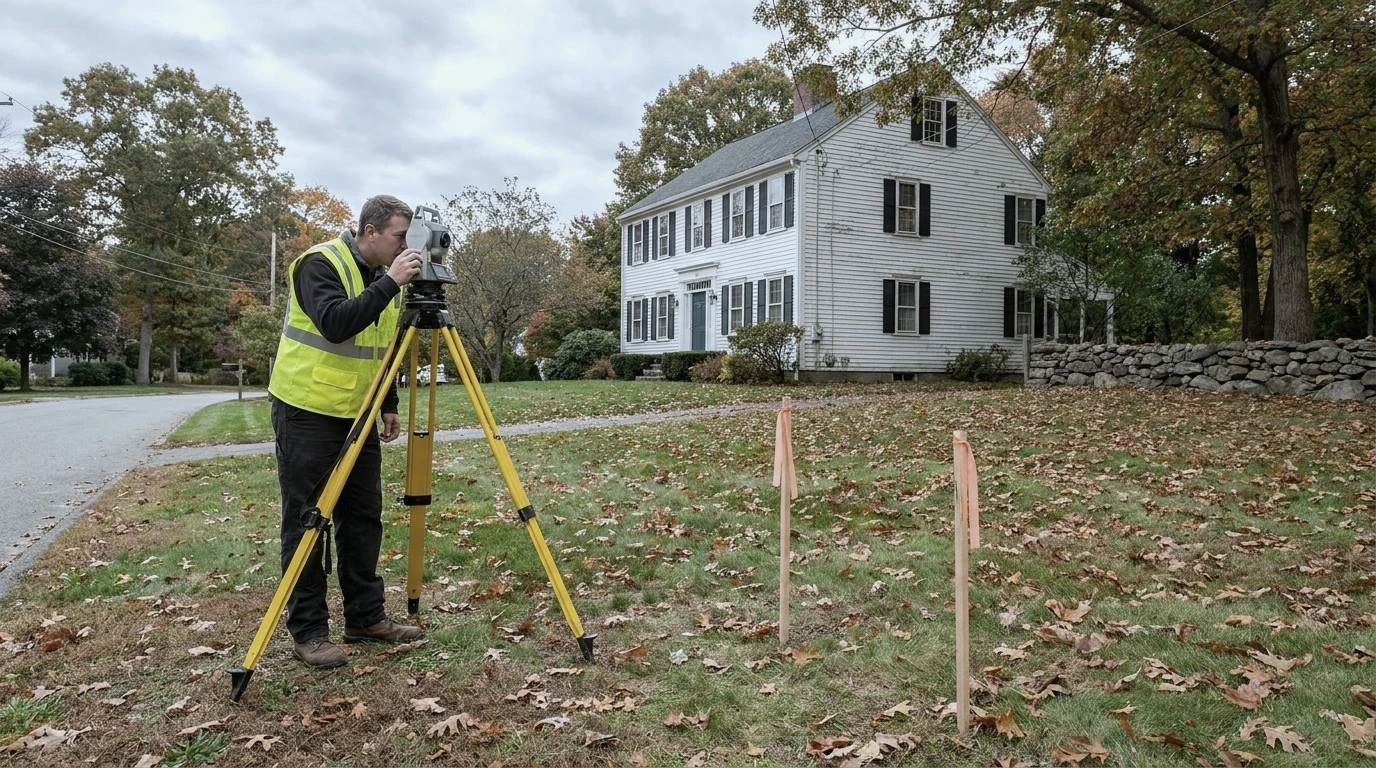
The key distinction lies in when they enter the process and how much involvement they have in design decisions. Home builders guide clients through design choices, help evaluate site feasibility, and assess zoning compliance. General contractors focus on execution after the planning phase is complete.
Some professionals hold both credentials and serve in either capacity depending on the project. The distinction is functional rather than rigid: a contractor doing custom homes from raw land works as a home builder; the same firm doing a kitchen remodel from architect plans works as a general contractor. Understanding which role you need helps you ask the right questions when interviewing candidates.
Massachusetts regulates residential contractors through a comprehensive two-tier system that applies to all professionals working in Middleton and throughout the state. The two credential types serve different purposes and are not interchangeable.
Table 1: Massachusetts Contractor Credential Comparison
| Credential | Issuing Body | When Required | Project Scope |
| Construction Supervisor License (CSL) | Division of Professional Licensure | Buildings under 35,000 cubic feet | New construction and major work |
| Home Improvement Contractor (HIC) | Office of Consumer Affairs | Owner-occupied 1-4 unit residential | Existing residential improvements |
| Specialty CSL | Board of Building Regulations | Specific trades (masonry, demolition) | Trade-specific work |
| Trade Licenses | Various boards | Electrical, plumbing, HVAC | Specialty system work |
Construction Supervisor Licenses (CSL) are issued through the Division of Professional Licensure. An unrestricted CSL allows contractors to oversee construction of any building under 35,000 cubic feet, including one- and two-family dwellings. To qualify for a CSL, candidates must:
The exam covers 780 CMR (Massachusetts State Building Code) and related construction standards.
Home Improvement Contractor (HIC) registration is required for contractors working on existing, owner-occupied residential properties with one to four units. HIC registration and CSL are not interchangeable. A contractor might need both when undertaking structural work on an existing home.
The HIC program provides homeowner protections including arbitration access for disputes up to $10,000 and Guaranty Fund coverage up to $25,000 for unpaid judgments against registered contractors. These protections do not apply to work performed by unregistered contractors, regardless of project quality.
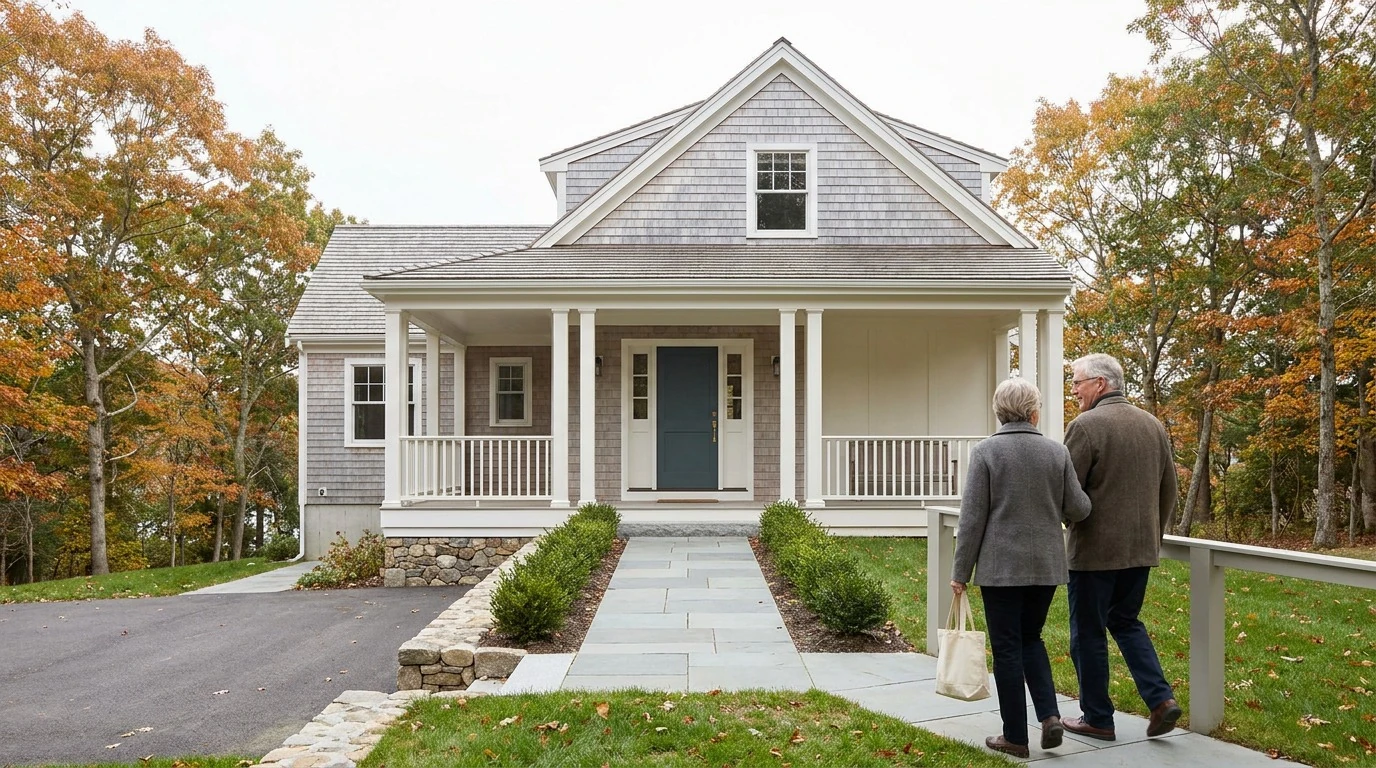
Home builders are the right choice when constructing a brand-new house and wanting customization tailored to your specific lifestyle and preferences. This professional is particularly appropriate when you want one company to handle everything from start to finish, ensuring a smooth, guided process. Home builders excel when:
The home builder's involvement from the earliest stages means they can help you avoid costly mistakes in land selection, design choices, and budget planning. They understand how design decisions impact construction costs and can guide you toward solutions that meet both your vision and your financial constraints. Custom home construction services typically include architectural collaboration, site analysis, and complete project delivery.
General contractors are best suited for projects where the design is already complete and the primary need is execution and project management. They are the appropriate choice for remodeling projects such as bathroom renovations, basement finishing, room additions, or structural repairs. Consider hiring a general contractor when:
General contractors bring expertise in logistics and coordination. They know which subcontractors to hire for specific tasks, how to sequence work efficiently, and how to troubleshoot problems that arise during construction. Their project management skills keep work moving forward on schedule and within budget. For renovation work specifically, residential renovation and remodeling services handle scope coordination and subcontractor management.
Design-build is a project delivery method that combines design and construction services into a single contract. Instead of hiring an architect to design, then a separate general contractor to build, design-build brings architect and contractor together under one entity.
This integrated approach offers several advantages for homeowners in Middleton. Research shows design-build leads to faster project delivery with more reliable performance, less cost and schedule growth, and fewer changes, claims, and litigation. Industry research from the Design-Build Institute of America indicates projects using design-build firms finished approximately 33 percent faster than those using the traditional design-bid-build process.
Specific design-build advantages include:
Design-build firms function similarly to home builders in that they are involved from the beginning, but they formalize the relationship between design and construction professionals. With one team responsible for both design and construction, communication improves and accountability is clear. The traditional design-bid-build approach, by contrast, separates these responsibilities and creates handoff points where errors and disputes commonly occur.
Understanding how different professionals charge for their services helps you budget appropriately and choose the right partner for your project. Each pricing model has distinct trade-offs between flexibility and cost certainty.
Custom home builders typically work on a cost-plus contract, charging the homeowner for the actual cost of materials and labor plus a percentage of the total cost as their fee. Cost-plus pricing characteristics:
This pricing model offers transparency because you know exactly how much you are paying for each aspect of the project.
General contractors typically work on a fixed contract amount, meaning they set a price for the entire project upfront. Fixed-price contract characteristics:
This approach provides cost certainty: you know the total price before work begins.
Table 2: Pricing Model Comparison
| Model | Best For | Cost Visibility | Flexibility | Risk Allocation |
| Cost-plus (custom build) | New homes with evolving design | Full transparency | High mid-project | Owner bears overruns |
| Fixed-price (GC) | Defined renovation scope | Total upfront | Lower mid-project | Contractor bears overruns |
| Guaranteed Max Price | Large custom or design-build | Capped at GMP | Moderate | Shared above contingency |
| Time and materials | Small repair work | Per hour visibility | Highest | Owner bears overruns |
Each payment structure has trade-offs. Cost-plus contracts offer flexibility to make changes during construction without renegotiating, but the final cost may exceed initial estimates. Fixed-price contracts provide budget certainty but may include contingency padding and offer less flexibility for changes once construction begins.
Middleton, Massachusetts maintains specific construction standards and permit requirements that apply to all contractors operating within the town. Whether you hire a home builder, general contractor, or design-build firm, they must comply with local regulations.
All commercial and home-based businesses in Middleton must apply for a Certificate of Occupancy permit or license when registering for a Business Certificate. The Town of Middleton follows the Massachusetts State Building Code (780 CMR) in all construction and renovation projects.
Your contractor should be familiar with Middleton's:
Table 3: Common Middleton Permit Triggers
| Project Type | Permits Typically Required | Typical Inspection Phases |
| New custom home | Building, electrical, plumbing, mechanical | Foundation, framing, rough-in, final |
| Major addition | Building, applicable trade permits | Foundation, framing, rough-in, final |
| Kitchen renovation | Building, electrical, plumbing | Rough-in, final |
| Bathroom renovation | Building, electrical, plumbing | Rough-in, final |
| Structural changes | Building with engineered drawings | Foundation, framing, final |
| Detached accessory structure | Building, possibly zoning relief | Foundation, framing, final |
| Solar or energy systems | Electrical with utility coordination | Final and utility sign-off |
Working with a professional who regularly operates in Middleton ensures they have established relationships with local inspectors and understand the nuances of town requirements. This local knowledge can prevent delays and ensure your project proceeds smoothly through all regulatory checkpoints. Contractors unfamiliar with Middleton-specific procedures often experience longer permit cycles and more revision requests.
The decision between hiring a home builder or general contractor depends on your specific project type and needs. For new home construction where you want a seamless experience from concept to completion, a home builder or design-build firm offers the most comprehensive service.
For renovation projects, additions, or situations where you have already completed the design phase, a general contractor provides the project management expertise you need without the design services you do not. Some professionals hold both CSL and HIC credentials and can work across both new construction and renovation projects, providing flexibility as your needs evolve.
Before making your decision, verify that any professional you are considering holds the appropriate Massachusetts licenses for your project type. Ask about their experience with projects similar to yours in Middleton, request references from recent clients, and ensure they carry adequate insurance coverage. The right professional will have a proven track record, clear communication practices, and a thorough understanding of both state and local requirements. Strong candidates welcome detailed credential and reference questions rather than deflecting them.
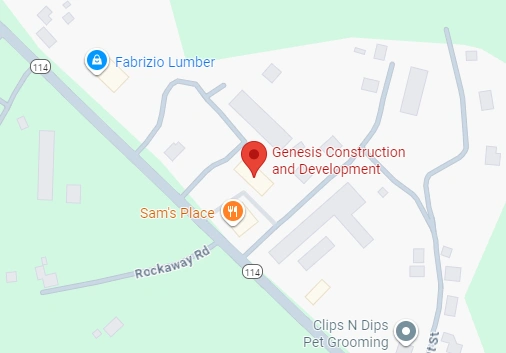
If you are planning a custom home or major renovation project in Middleton, Genesis Construction and Development brings the design-build expertise to guide you from concept to completion. As a fully licensed Massachusetts contractor, we handle everything under one roof: design, permitting, and construction.
Call 617-812-3020 or request a project consultation to schedule a meeting and discuss your project.
Home builders specialize in new construction from the ground up, including site selection and design. General contractors focus on executing already-designed projects, particularly renovations and additions where plans are complete.
Possibly. CSL is required for new construction and structural work on buildings under 35,000 cubic feet. HIC registration is required for non-structural improvements on existing 1-4 unit owner-occupied homes. Major renovations may need both.
Custom home costs in Massachusetts typically range from $350 to $600 per square foot for custom builds, with builders charging cost-plus pricing of 15-20 percent on top of actual material and labor costs. Eastern Massachusetts costs run higher.
Design-build provides single-point accountability, eliminates finger-pointing between separate parties, completes projects approximately 33 percent faster than traditional methods, and reduces change orders from coordination conflicts.
Use the Mass.gov Construction Supervisor License lookup or HIC contractor search portal. Both are free, public-access tools that show current registration status, complaint history, and credential validity.
Verify CSL and/or HIC credentials, confirm insurance with the carrier directly, request three or more recent references, review portfolio for similar projects, and confirm familiarity with Middleton permit and inspection processes.
Yes. Many firms hold both credentials and shift roles based on project type. Design-build firms in particular blur this distinction by handling design and construction across both new construction and renovation work.
Cost-plus pricing means the builder charges actual material and labor costs plus a percentage fee (typically 15-20 percent) for their services. This provides transparency on actual costs but no fixed final price.
Design and construction phases overlap, parallel scheduling becomes possible, coordination conflicts are caught earlier, and there are fewer handoff delays between separate parties. Industry research consistently confirms 33 percent faster delivery.
Permits depend on project scope. Most new construction requires building, electrical, plumbing, and mechanical permits. Major renovations require building permits with applicable trade permits. Your contractor should provide a detailed permitting plan before mobilization.
Discuss your home builder vs. contractor questions.
Plan a clear path forward for your project.
© 2025 Genesis Construction and Development Inc. - All rights reserved | Web Design & SEO By: Authority Solutions®