Design-build remodeling combines design and construction services under one firm, allowing homeowners to decide whether renovation or rebuilding makes financial and practical sense. This integrated approach reveals true costs and timelines upfront, helping you avoid the pitfalls of traditional remodeling.
For Massachusetts homeowners whose existing house no longer fits, the renovate-or-rebuild question is one of the most expensive decisions you'll make — and the one most often decided on gut feel instead of data. The wrong call can cost you six figures and a year of your life. Tear down a sound structure that just needed smart remodeling and you've spent 40 to 60 percent more than you had to. Over-invest in a renovation on a house with failing bones and you've thrown good money after bad.
The right call depends on variables most homeowners can't evaluate from the outside: the actual condition of the foundation, what the current zoning code allows, whether utility connections are salvageable, and what the Massachusetts building code requires when you start opening walls. A design-build approach gives you access to both the architect who can design the outcome you want and the builder who can tell you what your existing structure will actually support — working the problem together instead of handing it back and forth.
This guide walks through when renovation wins in Massachusetts, when new construction becomes the better call, and how design-build remodeling removes the scope-creep surprises that wreck most traditional renovation budgets.

Most Massachusetts homeowners face this decision when their house needs major work. The kitchen is outdated—the bathroom leaks. The roof is aging. Suddenly you're wondering if renovation makes sense or if you should just tear down and build new. The answer rarely comes from gut feeling. It comes from data.
This is where design-build remodeling differs fundamentally from traditional approaches. Instead of hiring an architect to draw plans you'll later find too expensive, or hiring a contractor to bid on work that hasn't been fully scoped, a design-build firm does both simultaneously. The architect and builder have worked toward the same goal from day one: providing you with accurate information so you can make the right call.
In our experience on the North Shore, renovation wins more often than people expect. But not always. The honest answer depends on structural conditions, local Massachusetts building codes, property tax implications, and actual square-footage needs. A design-build team can walk you through each variable.
New construction costs roughly $15-$200 per square foot in Massachusetts right now. That's for the basics. A modest 3,000-square-foot new home on your existing lot will run 450,000 to 600,000 before land costs, permits, and the months of construction. A whole home renovation targeting the same square footage often costs 40-60% less. Recent data from the Harvard Joint Center for Housing Studies Leading Indicator of Remodeling Activity (LIRA) confirms that major remodeling continues to outpace new-construction spending in mature Northeast markets like Massachusetts.
But cost is only part of the equation. Massachusetts properties, especially on the North Shore, carry specific advantages for remodeling.
Your existing foundation is solid. Most homes built before 1980 have concrete or stone foundations designed to last centuries. Tearing it down and rebuilding adds cost with no benefit. Your lot is already established. Zoning, setback requirements, and property lines have been set. A remodeling project respects those constraints. You avoid the risk of discovering that a new build can't occupy the space the way you wanted.
Utility connections are established. Water, sewer, electric, and gas lines already reach your house. New construction means running those from the street. In Massachusetts, towns with aging infrastructure are both expensive and prone to permitting delays. Your neighbors know what to expect. A major remodeling project may require temporary access or staging, but it won't surprise the neighborhood the way a new structure would.
A design-build firm concretely frames these advantages. Early in the design process, they conduct structural inspections, review local building codes, and map utility access. That data shapes whether renovation or new construction actually makes sense for your specific property.
Renovation doesn't always win. A design-build team will be honest about when new construction is the better path.
Severe structural damage changes the equation. If the foundation is failing, if load-bearing walls have settled beyond repair, or if the existing structure can't support the space you need, demolition becomes cheaper than trying to fix the underlying problems. This is rare on the North Shore, but it happens.
Zoning constraints sometimes force the issue. If your current house is undersized for the lot under current zoning, and a remodeling project won't get you to the square footage or home value you need, new construction might be the only path to achieve your goals. Your design-build contractor will compare zoning limits against your renovation plans and tell you clearly.
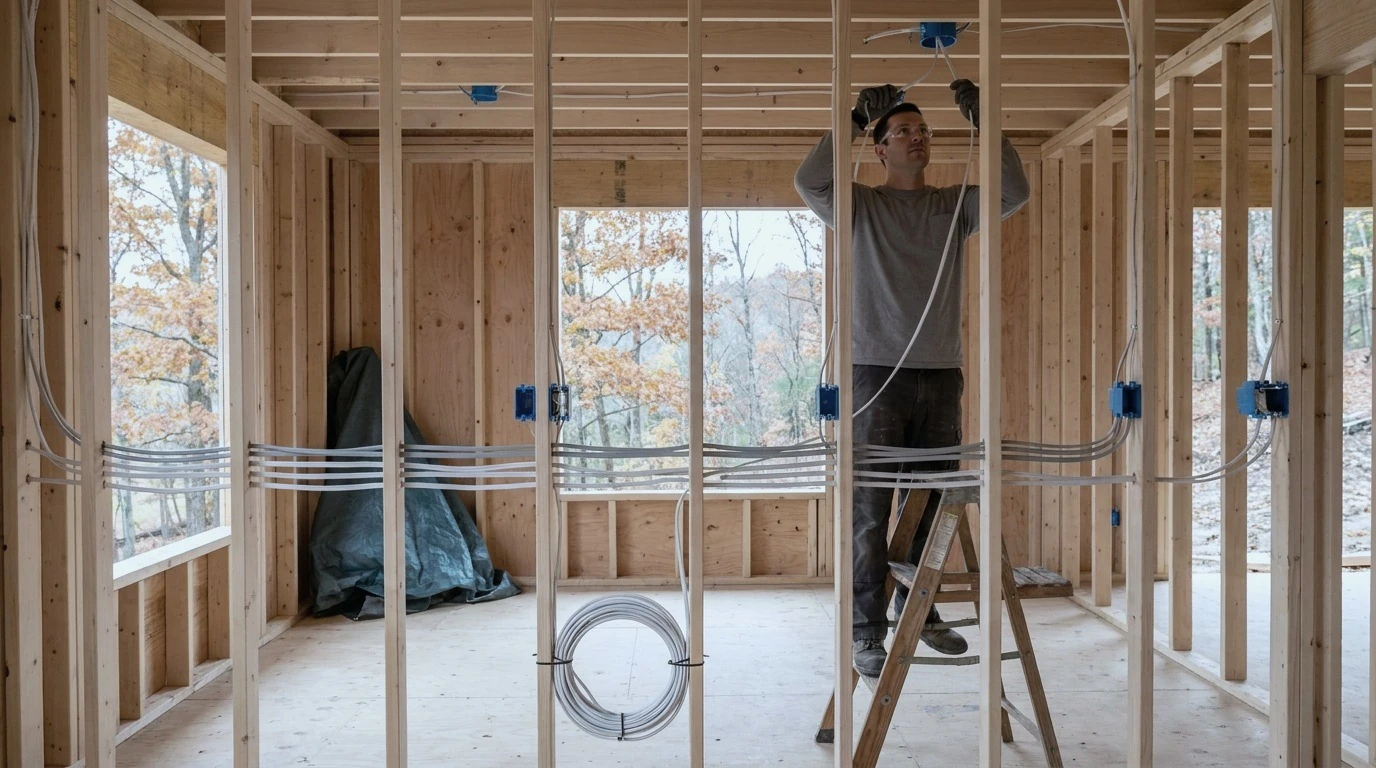
Severely outdated systems create hidden costs. Old homes sometimes have wiring, plumbing, and HVAC systems that can't be salvaged. If major renovations require replacing almost everything anyway, the incremental cost of new construction shrinks. A professional inspection during early design services reveals this. The Massachusetts Stretch Energy Code can also affect this calculation — adopted by most North Shore towns, it sets performance requirements that favor targeted renovation in some cases and full replacement in others.
The biggest risk in renovation is scope creep. You plan to remodel the kitchen. Workers open the walls and find hidden water damage. The electrical panel needs upgrading. Suddenly, the budget has jumped 30 percent, and the timeline has slipped by three months.
This happens with traditional remodeling because the contractor bidding the work hasn't collaborated with the designer. They haven't inspected the structure together. They haven't agreed on standards or timelines. So when problems emerge, blame and cost overruns follow.
A design-build process changes this. The architect and builder inspect the home together. They identify structural issues, code violations, and system limitations before the estimate is final. The designer's plans are checked against the builder's knowledge of what actually exists. The estimate includes contingencies because you've collectively identified risk.
This transparency doesn't eliminate all surprises. Old houses always have secrets. But it replaces panic-driven scope creep with planned adjustment. You know going in that certain issues might emerge. You have a realistic plan for addressing them. You're not watching your budget evaporate because of unexpected structural rot.
During a recent whole-home renovation in Marblehead, we discovered rotted rim joists where the house met the foundation. A traditional contractor might have discovered this mid-project and added 15,000 to the bill. Our design-build team found it during the planning phase. We included it in the original estimate. No surprises. No conflict. The homeowner made an informed choice and the project delivered on schedule and budget.

Here's what separates a design-build firm from hiring a traditional architect and contractor separately. A design-build contractor brings construction expertise to the design phase, not after it. That means the floor plans being drawn are realistic for the site. The material selections reflect what's available and what Massachusetts building codes allow. The timeline accounts for local permit processes and typical seasonal constraints.
When you're deciding between renovation and new construction, this integrated approach matters enormously. The designer isn't imagining possibilities from a desk. The builder isn't looking at plans and thinking about how to make them work. They're building the decision together with your priorities driving the process.
A design-build firm will help you define success clearly. Is it square footage. Is it a kitchen designed for how your family actually cooks. Is it creating an addition that doesn't feel tacked on. Is it finally solving the water damage in the basement. Once those goals are clear, the design-build team sizes up your options: Can a thoughtful home remodeling project hit these targets. Will you need to add square footage with home additions. Does the entire house need to meet your vision? To be rebuilt to better meet your vision, by custom home builders.
This is the honest advisor role. We've turned down jobs where another approach would have better served our clients. We've recommended remodeling when new construction would have been our financial interest. We've recommended new construction when remodeling would have been cheaper because the long-term outcome justified it. That credibility is built on transparency.
In Massachusetts, where property values are high and land is scarce, renovation makes the right choice far more often than homeowners realize. But the only way to know for your specific situation is to get a real estimate from a design-build firm that will give you the full picture.
If you're considering whether to remodel or rebuild, the next step is to consult a design-build firm. This isn't a sales pitch. It's an assessment. You'll walk through your house with an architect and builder. They'll ask what's working and what's not. They'll identify structural issues, code constraints, and opportunities. They'll listen to how you live in your home now and what you need from it in the future.
From that conversation, a design-build team can outline two scenarios: a thoughtful remodeling plan and a new construction alternative. Each will include rough timelines, cost ranges, and the tradeoffs involved. You'll see what renovation preserves and what new construction enables. You'll have real information instead of speculation.
This is where the design-build process proves its value. You're not paying an architect for plans you might not build. You're not getting a contractor bid on work that hasn't been properly scoped. You're getting honest guidance from professionals who are trained to see both the potential and the pitfalls.
Renovation typically costs 40-60% less per square foot than new construction. However, the answer depends on structural condition, zoning constraints, and your specific goals. A design-build firm will evaluate your property and show you both options with real cost data. Renovation wins more often than homeowners expect, but not always.
Design-build renovation projects typically take 4-8 months from planning through completion, depending on scope. This is 20-40% faster than traditional remodeling because the design and construction teams collaborate throughout the process, avoiding coordination delays. Kitchen and bathroom remodels within that timeline. Whole-home renovations may take 10-12 months if extensive.
With traditional remodeling, the architect designs without input from construction, then the contractor bids on the plans. Change orders and surprises follow. Design-build integrates both roles from day one. The architect and builder inspect together, plan together, and estimate together. This collaboration prevents scope creep, delivers more accurate budgets, and significantly shortens timelines.
Old houses typically reveal some surprises once walls open, but a design-build team identifies major issues during planning. A thorough structural inspection before design work begins uncovers rotted framing, failing foundations, or outdated systems. These findings are included in your estimate, so actual surprises are smaller. This approach prevents budget shocks.
If your foundation is solid, your lot works for your needs, and your existing systems can be salvaged or upgraded reasonably, renovation usually makes sense financially. A design-build consultation, along with a structural inspection, will clarify this. If major systems are failing, if the foundation is compromised, or if zoning prevents you from achieving your goals through renovation, new construction might be better despite higher costs.
The decision between renovation and new construction isn't abstract. Your specific property, your goals, and your budget shape it. A design-build firm brings both design expertise and construction reality to that decision, helping you choose the path that actually makes sense. If you're considering a major remodeling project or wondering whether rebuilding is the better option, Genesis Construction and Development offers a free consultation to evaluate your home and outline both paths forward through our design-build services. New to the model? Read What Is Design-Build Construction for a full overview before we talk. Call us or visit our website to schedule an assessment with our team.
© 2025 Genesis Construction and Development Inc. - All rights reserved | Web Design & SEO By: Authority Solutions®