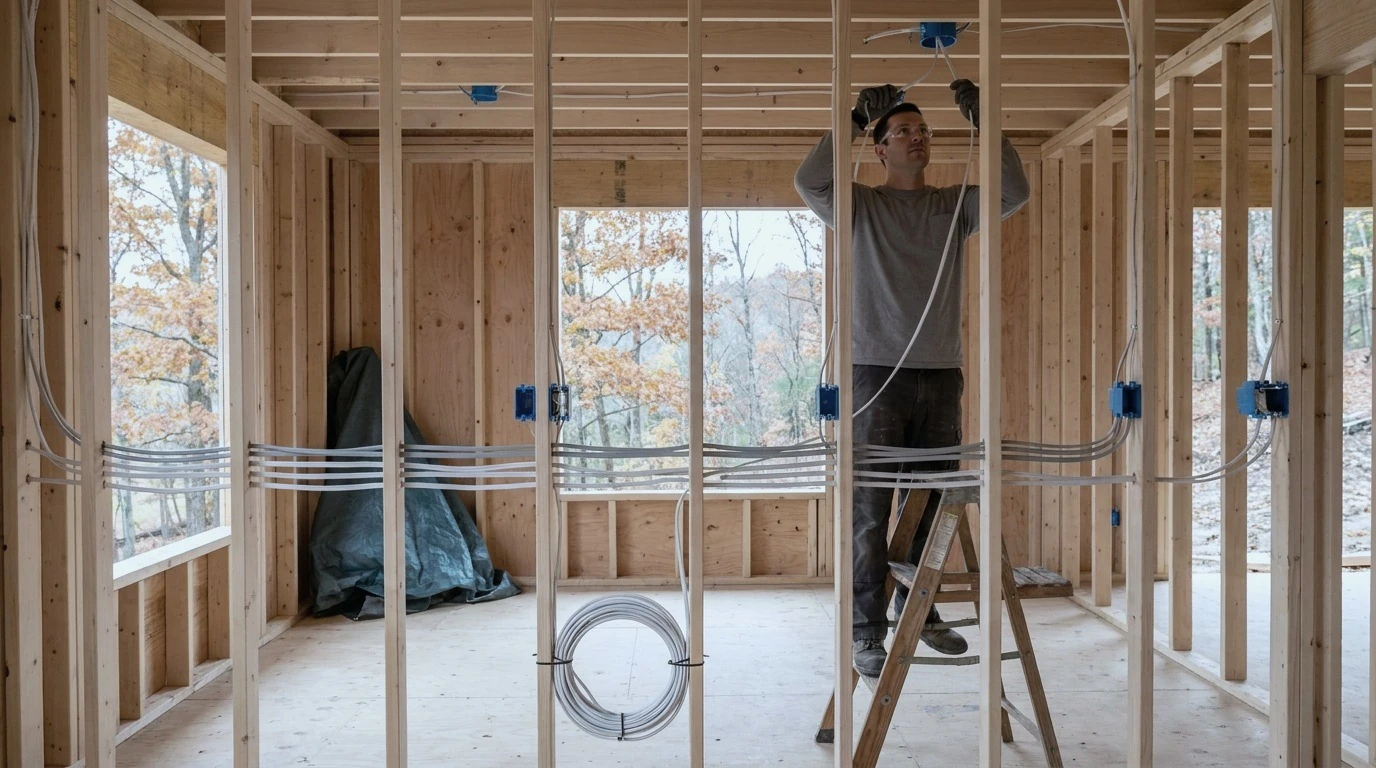
Building a custom home in Middleton, MA, should be an exciting journey, but the wrong words can quickly turn collaboration into conflict. The most damaging statements fall into three categories: mischaracterizing the builder's role, setting unrealistic timeline and budget expectations shaped by HGTV, and undermining professional judgment through micromanagement.
Understanding what not to say and why certain phrases create friction helps you build a stronger partnership with your builder, keep your project on schedule and budget, and ultimately get the quality home you envision.
Working with an experienced custom home builder in Middleton starts with clear, respectful communication that sets realistic expectations from day one.
Construction requires explicit specification. Every element from material brands and finishes to dimensions and installation methods must be specified precisely. Builders cannot and should not make assumptions about homeowner preferences.
If you want hardwood floors in the master bedroom but carpet in the other bedrooms, you need to say so. If you prefer brushed nickel fixtures over chrome, that needs to be documented. The more specific you are upfront, the fewer surprises you will encounter later.
Builders are not architects, designers, or specification experts. Decisions about design direction and material selection are typically made through collaboration between the homeowner and their architect or designer, with the builder providing input about feasibility and cost. Your builder's expertise lies in executing the plan, managing trades, and ensuring quality construction.
Builders cannot and will not violate building codes or zoning regulations. In Middleton, specific zoning regulations govern setbacks, height restrictions, and land use. Asking your builder to circumvent these rules puts their entire business at risk and could result in costly remediation or demolition orders.
| Statement | Why It Creates Friction | What to Say Instead |
| You should have known | Builders work from specs, not assumptions | "Let me document exactly what I want" |
| Just fit this in | Every addition requires labor, materials, scheduling | "Can I get a change order for this?" |
| Break this regulation | Puts builder's license and your property at risk | "What are our options within code?" |
| "Lower your price for upgrades" | Asks builder to subsidize your choices | "Can we value-engineer to fit my budget?" |
These expectations are almost always impossible. Television shows compress months of work into 60-minute episodes and do not reflect reality. They skip permit delays, material lead times, inspection schedules, and weather delays. They also typically have unlimited budgets and crews working around the clock.
Construction costs are not intuitive to non-professionals. Complexity that appears simple visually may involve substantial hidden work. A straightforward-looking wall might require extensive structural engineering, coordination with plumbing and electrical trades, multiple inspections, and finish work that consumers do not see.
Builders cannot afford to extend credit on construction projects because they must pay subcontractors and material suppliers promptly. Professional builders will not begin work without proof of financing or funding. Construction financing should be secured before breaking ground.
| Common Misconception | Reality |
| 6-week kitchen remodel | 3 to 6 months for a full custom kitchen |
| We can figure out financing later | Construction loans must be secured before breaking ground |
| That wall is easy to move | Structural walls require engineering, permits, and trade coordination |
| $200/sq ft covers everything | Cost per square foot oversimplifies custom home pricing |
Scope creep occurs when additional tasks or changes are added to the original project plan without appropriate adjustments to time or budget. It is one of the most common sources of conflict between homeowners and builders, often beginning innocently with small requests that accumulate into significant delays and cost overruns.
The danger of scope creep is that each individual request seems minor and reasonable. An extra outlet here, a relocated light fixture there, a different tile pattern in the guest bathroom. Individually, these changes might cost $200 to $500 each. But over the course of a 12-month custom home build, 20 to 30 small changes can add $10,000 to $15,000 to your budget and push your completion date back by weeks. The cumulative impact is what catches homeowners off guard, not any single change.
Every change to the original scope requires additional materials, labor, coordination time, and potential schedule impacts. Adding two windows requires structural modifications to framing, additional flashing and weatherproofing, interior and exterior trim work, potential changes to HVAC calculations, and coordination with siding or exterior finish installers.
Changing the floor plan after framing has begun requires demolition of structural elements, reengineering, new material procurement, schedule reorganization, and inspector re-approvals. This type of major change can add weeks or months to your timeline and tens of thousands of dollars to your budget.
Most construction work, particularly specialized trades like electrical, plumbing, HVAC, and roofing, is performed by specialized subcontractors, not by employees of the general contractor. This is the professional standard in residential construction, not a limitation or cost-cutting measure. Subcontractors are specialists who focus exclusively on their trade and deliver higher quality than generalists who attempt to cover multiple disciplines.
Friends and family members may lack professional experience, have unreliable timelines, and create coordination and quality control problems. They typically lack proper licensing, insurance, and bonding that protect the homeowner. When problems arise with owner-supplied contractors, your builder has no contractual relationship with them and limited ability to enforce quality standards.
Using unlicensed contractors creates serious legal exposure. In Massachusetts, if an unlicensed contractor is injured on your property, you could be held liable for their medical expenses and lost wages. Work performed by unlicensed contractors may not pass inspection and could require complete removal and reinstallation.
There is a difference between staying informed and micromanaging. Scheduled site visits and regular communication are healthy. Showing up unannounced multiple times per day and questioning every decision undermines the professional relationship.
While quality concerns are legitimate, making accusations without evidence damages relationships. The appropriate response is to document the concern with photos, describe it specifically, and give the builder opportunity to inspect and remedy the issue. Construction often looks messy or unfinished during intermediate stages. What appears to be shoddy work might be standard practice that will be covered or corrected in subsequent steps.
| Healthy Involvement | Micromanagement |
| Scheduled weekly site visits | Showing up unannounced daily |
| Written questions via email | Calling multiple times per day |
| Trusting professional judgment on methods | Dictating how every task should be done |
| Documenting concerns with photos | Making accusations without evidence |
| Following change order process | Making verbal demands on-site to trades |
Rather than "I want a nice kitchen," specify "I want a chef's kitchen with a 6-burner gas cooktop, two dishwashers, a large island, and custom cabinetry in natural maple." The more specific you are, the more accurate your builder's estimate will be.
All changes should be documented in writing with formal change orders. After any discussion about project changes, send a written confirmation summarizing what was discussed and any decisions made within 24 hours. Written documentation protects both parties.
Before construction begins, explicitly establish how you will communicate. Define whether there will be weekly site visits, regular emails, or monthly meetings. Working with a design-build firm that has clear communication protocols prevents misunderstandings and keeps both parties informed.
Your contract should include detailed scope of work, payment schedule tied to milestones, change order procedures, warranty terms, dispute resolution procedures, and timeline with allowances for weather and unforeseen conditions. Never pay in full upfront. The typical arrangement includes a 10 to 30% deposit, progress payments at milestones, and a 10 to 15% final payment after completion.
Verify that your builder is properly licensed and insured before signing anything. In Massachusetts, residential contractors performing home improvement work must be registered with the Office of Consumer Affairs and Business Regulation (OCABR). Request copies of contractor registration, general liability insurance, workers' compensation insurance, and references from recent projects. Do not hesitate to verify this information directly with issuing agencies because reputable builders expect these requests and provide documentation readily.
Custom windows, doors, cabinetry, appliances, roofing materials, and specialty finishes often have lead times of 8 to 16 weeks or longer. When homeowners say "I just decided on these cabinets, can you get them installed next week?" they are asking for something that is literally impossible. Material selection should happen months before installation. Your builder will provide a selection schedule outlining when each decision must be finalized.
Weather and site conditions also create constraints outside anyone's control. Framing crews cannot work in heavy rain or high winds. Foundation work must occur during appropriate weather windows. In Massachusetts, winter weather can significantly impact construction schedules because concrete cannot be poured in freezing temperatures without special and expensive precautions.
Unforeseen site conditions frequently arise during construction. Cutting into a wall might reveal unexpected mold, termites, or structural issues requiring remediation. These discoveries are not the builder's fault, and addressing them is not optional. Building codes require that certain issues be corrected once discovered, regardless of whether they were in the original scope.
"You should have known what I wanted without me saying so." Builders work from documented specifications, not assumptions. Providing detailed, written preferences for every material, finish, and design element prevents costly misunderstandings.
Television compresses months of work into 60-minute episodes with unlimited budgets and crews. Real construction involves permit delays, material lead times of 8 to 16 weeks, weather restrictions, and inspection schedules that are never shown on screen.
Some contracts allow it, but it transfers coordination responsibility to you and may complicate warranty coverage. Your builder has no contractual relationship with owner-supplied contractors and cannot enforce quality standards or schedule compliance.
Document the concern with photos and specific descriptions, then communicate in writing to your builder. Give them opportunity to inspect and explain before making accusations. What looks like poor work may be an intermediate stage.
Expect weeks or months of delays and tens of thousands in additional costs. Changes after framing require demolition, reengineering, new materials, schedule reorganization, and re-inspections.
Never. Standard payment includes a 10 to 30% deposit, progress payments tied to completed milestones, and 10 to 15% retained until final completion and punch list resolution.
Every change requires rescheduling trades who may have moved to other jobs, procuring additional materials, coordinating with subsequent work phases, and potentially obtaining new permits or inspections.
Occasional visits are fine, but showing up multiple times daily and questioning every decision undermines the professional relationship. Schedule regular site visits and communicate through established protocols.
Builders have fixed costs including insurance, licensing, overhead, and labor. Asking them to cut margin subsidizes your upgrades at their expense. Instead, ask about value engineering to achieve your goals within budget.
Secure financing before breaking ground, use milestone-based payments, retain 10 to 15% until completion, require written change orders for all modifications, and verify your builder carries adequate insurance and licensing.
The strongest builder-homeowner relationships are built on clear communication, realistic expectations, and mutual respect. Understanding what creates friction and what builds trust helps you navigate the custom home building process with fewer conflicts and better results.
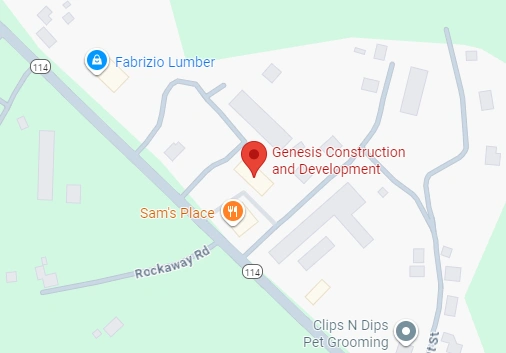
Genesis Construction and Development brings design-build expertise that keeps your project on track, on budget, and stress-free from concept to completion. Call us at 617-812-3020 or contact us to schedule a consultation and discover how a partnership approach makes all the difference.
Build a stronger relationship with your Middleton builder. Call Genesis Construction and Development to get started.
© 2025 Genesis Construction and Development Inc. - All rights reserved | Web Design & SEO By: Authority Solutions®