A complete set of custom home plans should include architectural drawings, structural engineering, MEP coordination, energy modeling, a detailed site plan, and material specifications, all reviewed by your builder for constructability and cost alignment. Missing any of these creates problems during permitting, bidding, or construction that cost far more to fix than to prevent.
Most homeowners assume that when their architect delivers "finished" plans, those plans are ready for construction. In many cases, they're not. Construction documents that look complete on paper may be missing structural details, lack MEP coordination, or contain specifications that conflict with Massachusetts energy codes or local zoning requirements. These gaps don't reveal themselves until a custom home builder tries to price the project, pull permits, or actually build it.
This checklist walks through what your plans should contain, from a builder's perspective, so you can verify completeness before committing to construction.
Complete architectural drawings include floor plans with dimensions and room labels, exterior elevations from all four sides, building cross-sections showing ceiling heights and roof structure, a roof plan, door and window schedules with performance specifications, and interior finish details. Each drawing should be coordinated with structural and mechanical plans.
Architectural plans are the foundation of your construction documents, but they're only as useful as they are detailed. A beautiful floor plan that doesn't include ceiling-height callouts, structural column locations, or window header sizes creates interpretation gaps that contractors fill with assumptions, and those assumptions lead to change orders.
Pre-construction planning encompasses design management, constructability reviews, and evaluation activities that happen before construction begins. The intent is to work with the project's owner to deliver a satisfactory project that meets the owner's objectives.
Here's what each architectural sheet should contain:
| Drawing Type | What It Shows | Why It Matters for Construction |
| Floor plans | Room layouts, dimensions, and wall types | Framing layout, material quantities, and code compliance |
| Elevations | Exterior appearance, materials, and heights | Zoning height verification, siding, and trim ordering |
| Building sections | Wall and roof assembly details | Insulation, structural sizing, and ceiling heights |
| Roof plan | Ridge lines, valleys, pitch, drainage | Framing complexity, waterproofing, snow load design |
| Door/window schedule | Sizes, types, performance specs | Energy code compliance, lead time management |
| Finish schedule | Room-by-room materials and finishes | Budgeting accuracy, subcontractor coordination |
A builder reviewing these drawings during design can identify gaps before they become problems. If your plans were developed by an architect without builder input, consider having your design-build construction contractor review them for completeness before you commit to permitting.

Structural engineering plans show how your home carries loads from roof to foundation, including beam sizes, column locations, load paths, and foundation design. MEP (mechanical, electrical, plumbing) plans coordinate the systems that make your home functional, ensuring that duct runs, pipe routes, and electrical panels don't conflict with structural elements or with one another.
These are the plans most homeowners never think about, but they're where most construction-phase problems originate. A structural beam that conflicts with a plumbing stack, a duct run that can't fit between floor joists, or an electrical panel located behind a planned cabinet are all problems that should be solved on paper, not discovered during framing.
Massachusetts requires structural engineering for most custom homes, particularly those with open floor plans, large spans, cantilevered elements, or basements. Your structural plans should include:
MEP coordination is where a custom home design and build approach delivers the most tangible value. When the builder coordinates mechanical, electrical, and plumbing layouts during design, conflicts between systems are caught before walls are framed.
| Engineering Component | What Builder Reviews For | Common Gaps Found |
| Foundation design | Soil conditions, frost depth, drainage | Missing drain tile details, undersized footings |
| Floor framing | Span tables, load paths, opening headers | Undersized beams at open floor plan spans |
| HVAC design | Duct routing, equipment access, zone control | Ducts conflicting with structural members |
| Plumbing layout | Drain slope, vent routing, fixture access | Stacks routed through structural beams |
| Electrical plan | Panel capacity, circuit count, conduit paths | Insufficient circuits for modern load demands |
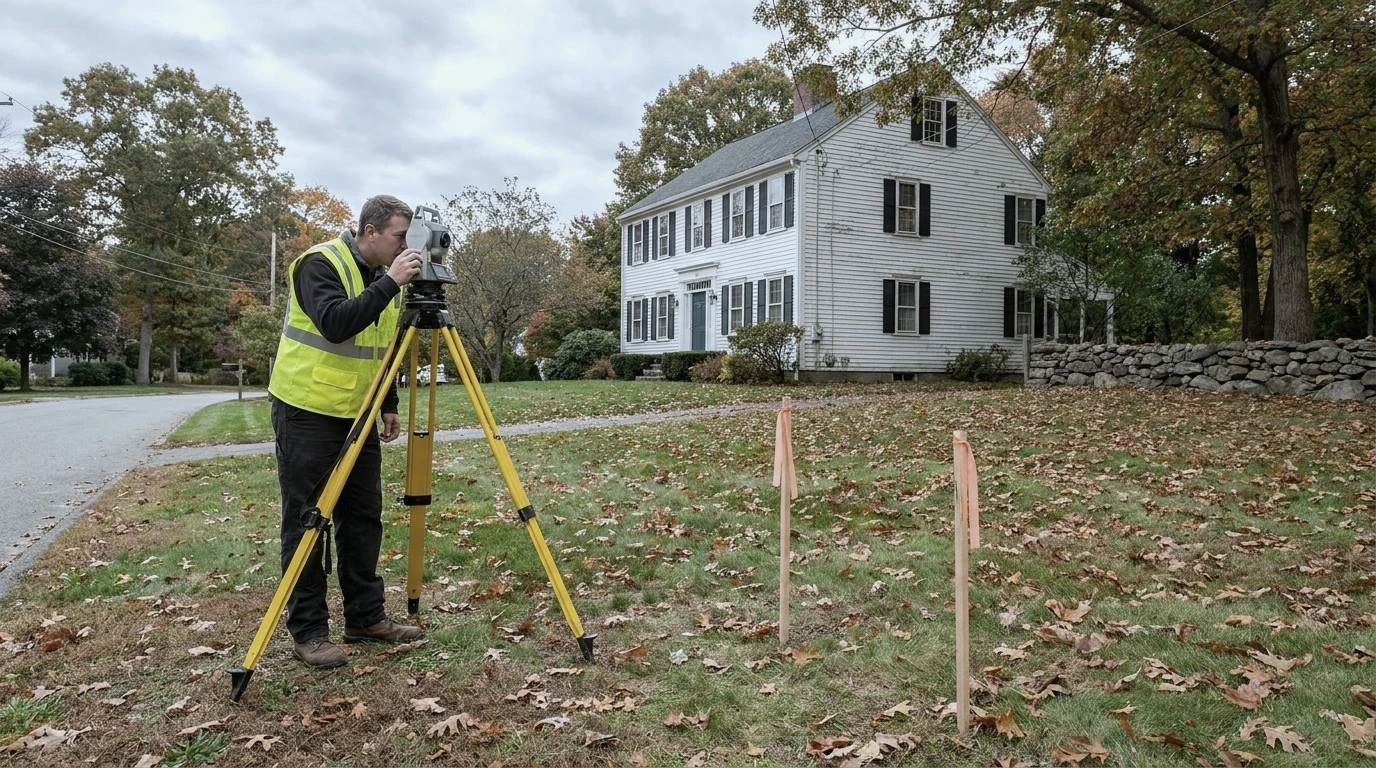
Your permit-ready package must include a site plan showing the building footprint relative to property boundaries, setbacks, wetlands, and utilities, plus energy compliance documentation proving your home meets Massachusetts Stretch Code requirements. Without these, your building permit application will be returned before it's reviewed.
The architectural and engineering plans get the most attention, but Massachusetts building departments won't accept a permit application without a complete site plan and energy compliance package. These documents are just as critical as the construction drawings.
Your site plan should show property boundaries with dimensions, existing and proposed building footprints with setback measurements to all property lines, driveway location and width, well and septic locations (if applicable), utility connections (water, sewer, gas, electric), grading with existing and proposed contours, and stormwater management features. If your lot is near wetlands or other protected resources, you'll also need a Conservation Commission filing with wetlands delineation.
For multifamily construction projects or properties in MBTA Communities Act overlay zones, site plans carry additional requirements, including parking counts, density calculations, and open space ratios.

Massachusetts Stretch Code compliance requires energy modeling showing your home meets performance targets. This includes:
| Permit Component | Required By | What It Must Show |
| Site plan | Building Department | Setbacks, footprint, grading, utilities |
| Wetlands delineation | Conservation Commission | Buffer zones, resource areas |
| Septic design (Title V) | Board of Health | System design, perc test results |
| Energy compliance | Building Department | HERS target, insulation, HVAC sizing |
| Structural calculations | Building Department | Load paths, member sizing, connections |
| Fire access verification | Fire Department | Driveway width, hydrant proximity |
A builder who has pulled permits in your municipality knows exactly which documents each board requires and in what format. This local knowledge, particularly in Essex and Middlesex County towns, prevents the rejected-application cycle that costs homeowners weeks of delay on every resubmission.
Having your builder review plans before you finalize them for permitting is the single most cost-effective step in the custom home process. A constructability review takes days and costs nothing compared to the thousands spent fixing problems discovered during framing, rough-in, or inspection.
Even when plans are prepared by an excellent architect, they benefit from a builder's review. Architects design for aesthetics, function, and code compliance. Builders evaluate for constructability, sequencing, material availability, and cost. These are complementary perspectives, and the best projects integrate both from the start.
If your plans were developed independently and you're now selecting a custom home contractor team for construction, ask them to conduct a formal plan review before you submit for permits. A thorough review covers structural adequacy for the intended design, MEP routing feasibility within the proposed framing, energy code compliance with current Massachusetts Stretch Code requirements, site plan accuracy relative to actual lot conditions, material specifications verified for availability and lead time, and overall budget alignment between the design intent and your construction budget.
This review is a core part of any design-build services engagement. It's the step that transforms architectural drawings into buildable construction documents, and it's where the builder-led model proves its value most clearly.
A complete set includes architectural floor plans, elevations, sections, structural engineering, MEP plans, a site plan, energy compliance documentation, door/window schedules, finish schedules, and material specifications.
Yes, for most custom homes, especially those with open floor plans, large spans, basements, or complex roof structures. Massachusetts building departments require stamped structural drawings as part of the permit application.
The Stretch Code sets energy performance requirements above the base building code. Most Massachusetts municipalities have adopted it. Compliance requires energy modeling, specific insulation values, and HERS testing before a certificate of occupancy is issued.
A builder evaluates plans for constructability, cost alignment, and code compliance from a construction perspective. This review catches problems that lead to change orders, permit rejections, or budget overruns before they become expensive to fix.
MEP stands for mechanical, electrical, and plumbing. Coordination ensures these systems fit within the building structure without conflicting with each other or with structural elements. Lack of coordination is a primary cause of construction change orders.
Property boundaries, building footprint with setback dimensions, grading, utility connections, driveway location, and any environmental features like wetlands. Additional requirements apply depending on which municipal boards review the project.
HERS (Home Energy Rating System) measures a home's energy efficiency. A lower score means better performance. Massachusetts Stretch Code compliance requires meeting a specific HERS target, verified by a third-party rater before occupancy.
Ask your builder to review them. If the builder identifies missing structural details, uncoordinated MEP systems, or energy code gaps, those need to be resolved before permitting and construction begin.
Yes. Massachusetts building departments return applications with incomplete drawings, missing engineering, or inadequate energy documentation. Each resubmission cycle adds weeks to your timeline.
Design drawings show the architect's intent for appearance and layout. Construction documents add the technical detail needed to actually build: structural sizing, MEP routing, material specifications, and code compliance documentation.
Your construction documents are the operating manual for your entire project. Every subcontractor, inspector, and supplier works from them. When they're complete, coordinated, and reviewed by a builder with local construction expertise, the project flows. When they're not, you pay for the gaps in change orders, delays, and frustration. Investing the time to verify completeness before you break ground is the highest-return decision you'll make.If you're preparing to build a custom home in Essex or Middlesex County and want your plans reviewed for constructability, energy code compliance, and permit readiness, Genesis Construction and Development's custom home design build contractor team provides that review as part of every project engagement.
© 2025 Genesis Construction and Development Inc. - All rights reserved | Web Design & SEO By: Authority Solutions®