The most common permit delays for custom homes in Massachusetts stem from incomplete plan submissions, zoning non-compliance, energy code documentation gaps, septic and wetlands review bottlenecks, and multi-board coordination failures. Most of these delays are preventable when your builder understands the local requirements and submits code-compliant plans on the first pass.
Permitting isn't the exciting part of building a custom home. But it's one of the phases where projects most frequently lose weeks or months, and those delays cascade into everything that follows: construction scheduling, material ordering, subcontractor availability, and your move-in date. In Massachusetts, where each municipality runs its own permitting process, and the state building code adds layers beyond national standards, the permitting landscape is more complex than in most states. Understanding where custom home permit delays in Massachusetts typically occur, and what a qualified custom home builder does to prevent them, can save your project significant time and frustration.

The majority of permit delays fall into five categories: incomplete or non-compliant plan submissions, zoning conflicts that require variances or special permits, energy code documentation that doesn't meet current Massachusetts requirements, Title V septic or wetlands review timelines, and coordination failures when multiple boards must review the same project.
Let's walk through each one, because understanding the cause is the first step toward preventing it.
The single most common reason building permits get delayed is that the submitted plans aren't complete. Missing structural calculations, absent MEP specifications, unclear site plans, or insufficient detail for the building inspector to verify code compliance all trigger what's called a "plan review rejection." The application doesn't get denied outright. It gets sent back for revisions. That revision cycle, including resubmission and re-review, typically adds 3 to 6 weeks.
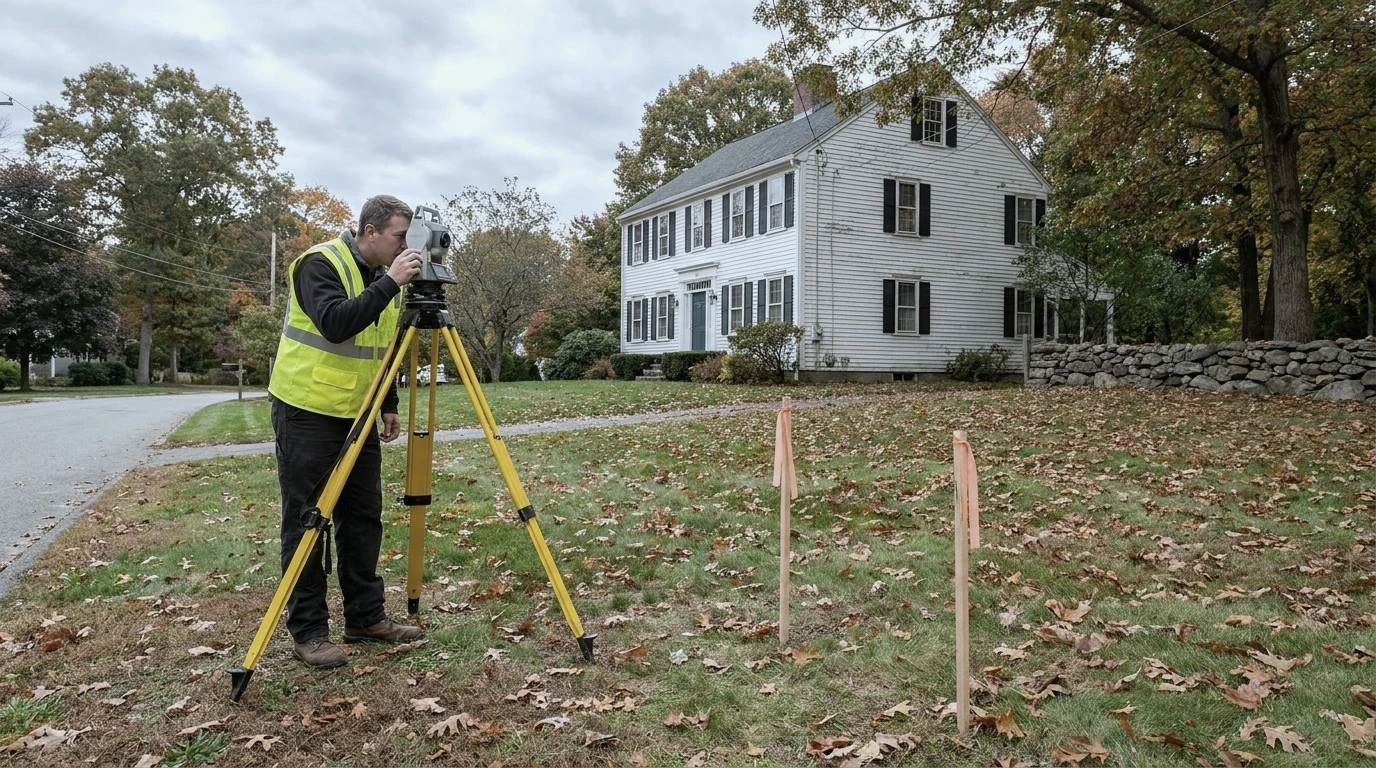
Each Massachusetts municipality maintains its own zoning bylaws governing setbacks, lot coverage, building height, and density. If your custom home design doesn't conform to local zoning, you'll need a variance from the Zoning Board of Appeals or a special permit, both of which require public hearings and can add months to your timeline. This happens most often when homeowners fall in love with a design before anyone checks it against the site's zoning constraints.
Massachusetts adopted the tenth edition of the state building code in 2024, based on the 2021 International Codes, and many municipalities also enforce the stretch energy code. Submitting plans that don't clearly document energy compliance, including insulation details, window specifications, HVAC efficiency data, and air-sealing plans, will trigger review comments that halt the permit process until the documentation is corrected.
| Delay Category | Common Cause | Typical Time Added |
| Incomplete plans | Missing calculations, specs, or details | 3 to 6 weeks |
| Zoning variance needed | Design exceeds setback, height, or coverage limits | 2 to 4 months |
| Energy code gaps | Insufficient insulation, HVAC, or air sealing documentation | 2 to 4 weeks |
| Septic/Title V review | Failed perc tests, system design revisions | 4 to 12 weeks |
| Multi-board coordination | Conservation, health, and planning boards are not aligned | 3 to 8 weeks |
Properties requiring septic systems under Title V or located near wetlands trigger separate review processes through the Board of Health and the Conservation Commission, each with its own hearing schedules and timelines that run in parallel but independently of the building permit review.
In many Essex and Middlesex County communities, municipal sewer isn't available, which means your custom home needs a septic system designed and approved under Title V of the Massachusetts Environmental Code. The process starts with soil testing (percolation tests), which must happen during specific seasonal windows. If the initial perc test fails or yields borderline results, you're looking at redesigned septic systems, additional testing, and Board of Health review cycles that can add months.
Wetlands present a separate challenge. If your property falls within a buffer zone or resource area under the Massachusetts Wetlands Protection Act, you'll need to file a Notice of Intent with the local Conservation Commission. Conservation hearings typically meet monthly, and the review process can take 2 to 4 months, depending on the complexity of your site and the commission's workload. Some projects require both Conservation Commission approval and Army Corps of Engineers review, further complicating the timeline.
The critical point for homeowners to understand is that these environmental reviews operate on their own schedules. They don't speed up because your building permit is ready. Experienced custom home contractors begin environmental and septic evaluations during the earliest stages of site assessment, running these reviews in parallel with design development so they don't become sequential bottlenecks.
| Environmental Review | Triggered By | Typical Timeline |
| Title V septic approval | No municipal sewer, new system required | 6 to 16 weeks |
| Conservation Commission (Wetlands) | Property in the buffer zone or the resource area | 8 to 16 weeks |
| Board of Health review | Septic design approval, well placement | 4 to 8 weeks |
| Stormwater management | Site disturbance over threshold limits | 4 to 8 weeks |

An experienced builder prevents permit delays by submitting complete, code-compliant plans on the first pass, checking zoning compliance before design is finalized, initiating environmental reviews early, and maintaining established relationships with local building departments that facilitate smoother review processes.
Here's the thing about permit delays: the vast majority of them are preventable. They happen because someone on the project team didn't do their homework before submission. The plans weren't complete. The design violated a zoning setback that nobody checked. The energy documentation didn't meet the current code edition. An experienced design-build firm treats permitting as a core project management discipline rather than an administrative afterthought.
What does that look like in practice? It starts during design. The builder evaluates zoning requirements for the specific lot before the first floor plan is drawn, confirming setbacks, height limits, maximum lot coverage, and any applicable overlay districts. During design development, the construction team ensures that structural details, MEP specifications, and energy compliance documentation are incorporated into the plans rather than added as an afterthought before submission.
For environmental reviews, an experienced Massachusetts custom home builder initiates soil testing and wetlands delineation during site evaluation, months before the building permit application is ready. This parallel processing means that by the time plans are submitted for building permit review, septic and conservation approvals are either in hand or well advanced, rather than just beginning.
And then there's the relationship factor. Builders who have worked extensively in your municipality know the building inspector's expectations, the level of detail required for smooth reviews, and the common sticking points that trigger rejections. That institutional knowledge doesn't appear on any checklist, but it's one of the most practical advantages of working with a locally experienced design-and-build team.
For multifamily construction projects, where permitting complexity multiplies with project scale, this proactive approach becomes even more critical. Multi-board coordination, parking studies, traffic impact reviews, and fire department sign-offs all require orchestration that delays significantly if left to a reactive, sequential approach.
| Prevention Strategy | What It Involves | Who's Responsible |
| Pre-design zoning check | Verify setbacks, height, and coverage before drawing plans | Builder and design team |
| Complete first submission | Include all structural, MEP, and energy documentation | Builder and engineer |
| Early environmental review | Start perc tests and wetlands assessment during site evaluation | Builder coordinates |
| Code edition verification | Confirm which edition of the building code the town is enforcing | Builder |
| Building department relationship | Know inspector expectations and review standards | Builder's local experience |
Design-build helps because the builder participates in design from day one, meaning plans are developed with code compliance, zoning conformance, and submittal completeness built in rather than discovered as problems after the architect finishes the drawings.
In a traditional approach, an architect designs the home, finishes the drawings, and hands them to a builder who then reviews them for constructability and code compliance. If the builder finds problems, such as a setback violation, missing structural calculations, or energy code gaps, the drawings go back to the architect for revisions. That round-trip can take weeks and may require withdrawing and resubmitting the building permit application.
In a design-build construction model, those issues are caught and resolved during design sessions, not after drawings are "complete." The builder is reviewing zoning, evaluating code compliance, and confirming submittal requirements while the design is still evolving. By the time plans are submitted, they've already been vetted by the team that will build the project.
For custom home design build projects in Massachusetts, this integration is particularly valuable given the number of concurrent review processes involved. When one team coordinates building permits, zoning compliance, energy code documentation, septic approvals, and conservation filings, nothing falls through the cracks because there's no handoff between separate organizations, and information doesn't get lost.
Typical building permit review takes 3 to 12 weeks, depending on the municipality, the completeness of the submission, and whether the project requires any variances or special permits.
Incomplete plan submissions that require revision and resubmission are the most common cause, typically adding 3 to 6 weeks to the timeline.
Yes. If your design exceeds setback, height, or lot coverage limits, you'll need a variance from the Zoning Board of Appeals, which requires a public hearing and can add 2 to 4 months.
Title V is the Massachusetts Environmental Code governing septic systems. If your property requires a new septic system, you'll need Board of Health approval before the building permit can be issued.
If your property is within a wetlands buffer zone or resource area, you'll need to file a Notice of Intent with the Conservation Commission, which holds its own hearings and review process.
The stretch energy code is an enhanced energy code adopted by some municipalities beyond the base state building code. It imposes stricter insulation, HVAC efficiency, and air sealing requirements that must be documented in your building permit plans.
An experienced builder with local relationships can submit complete, code-compliant plans that avoid revision cycles and understand your municipality's building department's specific expectations.
Before. Starting soil testing, wetlands delineation, and septic design during site evaluation prevents environmental reviews from becoming sequential bottlenecks after the building permit application is filed.
Design-build integrates the builder into the design process, so zoning compliance, code conformance, and submittal completeness are verified during design rather than discovered as problems after plans are submitted.
You'll receive a plan review letter identifying the deficiencies. Your team must address each item, revise the plans, and resubmit. The re-review adds weeks to the timeline depending on the scope of revisions required.
Permit delays are among the most frustrating aspects of building a custom home in Massachusetts, but they're also among the most preventable. The pattern is clear: projects that start with a thorough site evaluation, verify zoning before design begins, submit complete plans on the first pass, and initiate environmental reviews early don't experience the weeks and months of avoidable delay that plague less-prepared projects. The builder you choose is the most important variable in this equation, because their local knowledge, process discipline, and permitting experience directly determine whether your project moves through approvals smoothly or gets stuck in revision cycles.If you're planning a custom home in Essex or Middlesex County and want to understand the permitting landscape for your specific lot, reach out to our team. We'll evaluate your site's regulatory requirements early and develop a permitting strategy to keep your project on schedule.
© 2025 Genesis Construction and Development Inc. - All rights reserved | Web Design & SEO By: Authority Solutions®