A design-build partner delivers architecture, engineering, and construction under a single contract, creating one unified point of accountability that eliminates the finger-pointing and communication breakdowns common in traditional multi-party construction projects.
If you're planning a major renovation or custom build in Middleton, you've likely hit the same frustrating cycle: architects create designs contractors can't execute efficiently, timelines balloon, and when something goes wrong, everyone points fingers. The promise of an integrated design-build approach is simple — one accountable team managing architecture, engineering, and construction under a single contract.
But does this delivery method actually deliver on its claims of faster timelines and streamlined accountability for North Shore homeowners? This guide examines whether these firms justify their approach using industry benchmarks and trade-offs specific to Essex County projects.
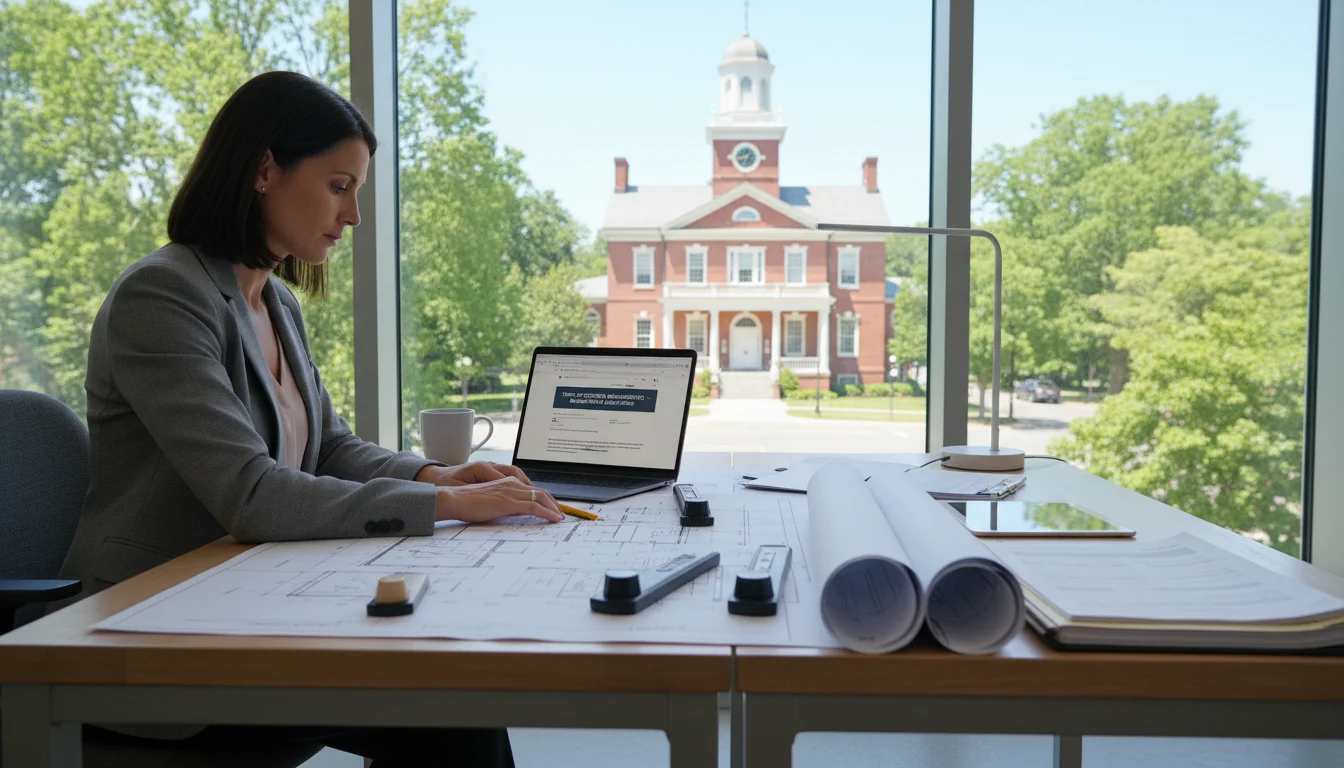
A design-build firm delivers architecture, engineering, and construction under a single contract. You partner with an integrated team — architects, engineers, and builders — collaborating from day one.
This contrasts with the traditional Design-Bid-Build (DBB) model, where you hire an architect first, complete the design, then separately contract with a general contractor. That sequential process keeps design and construction in silos managed by different companies. You become the coordinator between two parties, each with their own timeline and interpretation of the plans.
Rather than waiting for 100% complete plans before involving builders, your team brings construction expertise into the design phase. Constructability reviews happen early, catching issues before they become costly change orders. Industry data shows this reduces change orders by 10–15%.
| Feature | Design-Build | Design-Bid-Build | CMAR |
| Contract structure | Single contract | Separate design + build | Hybrid |
| Speed vs. traditional | 102% faster | Baseline | 61% slower than DB |
| Change order reduction | 10–20% fewer | Baseline | Moderate |
| Accountability | One team owns outcomes | Split responsibility | Shared but separated |
| Phase overlap | Yes, concurrent | No, sequential | Partial |
Timeline predictability often matters as much as anything else for Middleton homeowners juggling school schedules, seasonal weather, or temporary relocations during renovation.
The integrated approach achieves 102% faster delivery through overlapping phases. Construction begins on foundations while interior design is still being refined, eliminating the 2–4 month gap inherent in conventional approaches.
For a typical Middleton whole-house renovation, the traditional approach takes 13–17 months total, while design-build typically completes in 8–11 months. That 5–6 month advantage is especially valuable when coordinating around the school calendar or finishing outdoor work before Massachusetts winter.
Because construction expertise informs design from day one, integrated teams identify permitting issues and material lead times before they derail schedules. Fewer change orders mean steadier progress and more predictable completion dates.
Middleton's zoning complexity and Massachusetts building code compliance can make or break timelines.
Firms with established local relationships understand Building Department reviewer priorities, typical review timelines (currently 2–4 weeks for residential projects), and how to structure submissions to avoid common rejection triggers. This knowledge is critical for additions triggering setback reviews, wetlands considerations, or historic district oversight.
The 10th edition of the Massachusetts Building Code introduced updated energy efficiency requirements and structural standards. Design-build partners with in-house teams integrate these requirements during design, avoiding the rework that occurs when traditional contractors discover code conflicts during construction. Middleton's stretch code provisions mean higher insulation and air sealing standards than base code.
| Requirement | What to Verify |
| MA construction license | Office of Consumer Affairs and Business Regulation |
| General liability insurance | Minimum $1M per occurrence |
| Professional liability | Covers design errors |
| Workers' compensation | For all employees |
| Performance bonds | Recommended for larger projects |
| Industry credentials | DBIA membership or NARI certification |
Review portfolios for completed North Shore projects similar in scope to yours. Request references from at least three recent Essex County projects and ask about:
Meet the specific architect and project manager who would lead your work. Trust your instincts — if the team feels rushed or dismissive during initial conversations, those dynamics intensify during construction.
This model isn't universally superior. It may not be optimal for straightforward projects with minimal design complexity, if you prefer shopping competitive bids after finalizing plans, or if you have an existing architect relationship to preserve. The integrated process requires early commitment to your builder before detailed design is complete, which can feel constraining for homeowners who value broad pricing flexibility.
Comprehensive warranties should cover workmanship (1–3 years), structural issues (5–10 years), HVAC/plumbing/electrical systems, and design professional liability. Manufacturer warranties should be clearly assigned to you at completion.
Many contracts include DE4 and DE5 exclusions limiting coverage. DE4 typically relates to materials you selected against the firm's recommendation. DE5 addresses damage from lack of maintenance. Ask your prospective partner to explain these in plain language before signing.
A design-build firm combines architecture, engineering, and construction under a single contract, creating one team accountable for your entire project. Unlike the traditional approach where you hire an architect and contractor separately, this model integrates both from day one, eliminating communication breakdowns common in multi-party projects.
No. You maintain full control over design decisions. The difference is that construction expertise informs those decisions early rather than after plans are finalized, helping you make better-informed choices with real-time feedback on constructability and materials.
Integrated teams deliver projects 102% faster. A typical Middleton whole-house renovation takes 8–11 months with design-build versus 13–17 months with traditional methods, thanks to concurrent design and construction phases.
Consider traditional methods for simpler projects, if you want to shop multiple competitive bids, or if you have an existing architect relationship to preserve. The model requires early builder commitment that doesn't suit every planning style.
Verify Massachusetts licensing, confirm liability and professional insurance, and ask about performance bonds. Look for DBIA or NARI credentials, review their North Shore portfolio, and contact at least three recent Essex County references. Clarify warranty terms including DE4/DE5 exclusions before signing.
Choosing a design-build partner for your Middleton project means trading the familiar sequential process for integrated accountability, faster delivery, and greater predictability. The firms worth your consideration will demonstrate local permitting fluency, transparent communication, and North Shore expertise. If you're ready to explore how this approach could streamline your next renovation, Genesis Construction and Development brings the local permitting knowledge and integrated team structure that Middleton projects demand. Reach out to start a conversation and evaluate team chemistry firsthand.
© 2025 Genesis Construction and Development Inc. - All rights reserved | Web Design & SEO By: Authority Solutions®