Insulation and air sealing work together to control heat transfer and airflow, cutting heating and cooling costs by 10–20% while eliminating drafts, moisture problems, and indoor air quality issues.
A reliable construction company knows that insulation and air sealing make the most significant difference when working together to control how heat and air move through a home. Insulation slows heat loss through walls, attics, and floors, while air sealing closes gaps and cracks that cause drafts and hidden leaks. This combination can cut heating and cooling bills by 10–20%, reduce hot and cold spots, and protect the home from moisture and pollutants.
Although most people simply think of a home as warm in winter and cool in summer, a skilled custom house builder understands what is really happening is a constant movement of heat and air through every surface and gap in the building. These heat transfer processes follow three main paths: conduction, convection, and radiation.
Heat conducts through solid materials such as walls, roofs, and windows as vibrating particles transfer energy. Materials with low conductivity slow this flow, and an R-value often expresses their resistance. The greater the temperature difference between indoors and outdoors, the faster this conductive heat transfer occurs.
Convection moves heat with air or water, as warmer, lighter fluid rises and cooler, heavier fluid sinks, creating loops in rooms and wall cavities. Radiation transfers heat as invisible infrared waves between surfaces, influenced by color, reflectivity, and thermal mass properties of building materials.
When a home is both well insulated and well air-sealed, the two upgrades reinforce each other and deliver far more impact than either on its own. Air sealing stops drafts and hidden air pathways, so insulation can actually perform at its rated level, rather than being bypassed by moving air. Together, they typically cut heating and cooling costs by 15–20%, often with payback in just a few years.
This combined approach also supports the optimization of HVAC equipment sizing. As peak heating and cooling loads decline, systems can be smaller, run less frequently, and last longer. An experienced custom home builder plans both insulation and air sealing as part of the same construction sequence — ensuring neither is treated as an afterthought. At the same time, reduced air leakage limits dust, moisture, and outdoor fumes, creating synergistic indoor pollutant control and more stable, comfortable rooms throughout the home.
| Upgrade Type | Primary Benefit | Combined Impact |
| Air Sealing Only | Stops drafts and air leakage | Limited without insulation backing |
| Insulation Only | Slows conductive heat transfer | Reduced effectiveness with air bypass |
| Both Together | Controls both air movement and heat flow | 10-20% energy bill reduction, improved comfort |
Before planning a whole-house upgrade, focus first on the handful of spots that leak the most air and lose the most heat. The ceiling plane and attic usually come first, because gaps where the drywall meets the top plate and around roof penetration seals for lights, ducts, and plumbing can waste significant energy. Air sealing the top plate to attic drywall from above can deliver one of the most important single reductions in air leakage in the home.
Next, rim joists and band joists deserve attention. These floor-edge areas often hide big cracks, so sealing and insulating them reduces drafts and cold floors. Finally, the wall-to-ceiling transition, wall penetrations, and window and door perimeters should be sealed to tie the whole air barrier together.
Priority air sealing and insulation zones:
Done correctly, air sealing and insulation upgrades deliver measurable savings, not just vague promises. Field data shows typical whole-home energy use dropping around 11%, with heating and cooling bills often falling 10–20%, especially in older or very leaky homes. Many projects see simple payback in several years, and savings continue long after initial investments are recovered.
Homeowners also gain long-term financial stability, not just lower utility bills. Tighter envelopes mean less strain on HVAC equipment, fewer surprises from energy price spikes, and greater home value appreciation at resale. When a custom home construction company builds energy performance into the project from the start, these savings compound over decades.
| Benefit Category | Specific Advantages |
| Energy Savings | 11% total energy use reduction, 10-20% HVAC savings |
| Equipment Impact | Reduced HVAC strain, longer equipment life, lower maintenance |
| Financial Stability | Protection from energy price volatility, improved resale value |
| Comfort Improvement | Elimination of drafts, more even temperatures throughout home |
Beyond lower bills and more substantial resale value, properly air-sealed and insulated homes deliver benefits that residents notice every day in how the house feels, smells, and holds up over time. Air sealing removes drafts and hot and cold spots, creating even temperatures from room to room. Combined insulation upgrades enhance thermal stability, ensuring consistent comfort year-round.
These energy efficiency improvements also support better health. By reducing air leaks, the home admits fewer outdoor pollutants, allergens, and moisture, easing asthma and other respiratory symptoms. Stable humidity and effective mold and moisture control limit mold growth and musty odors.
Durability improves as well. Less uncontrolled air and moisture move through walls, protecting the structure, extending the building envelope's life, and maintaining long-term resilience.
Daily quality-of-life improvements:
Smart insulation and air-sealing work is less about fancy products and more about installing the right materials, in the right places, in the right order. Successful projects focus on a continuous air barrier and thermal boundary, especially at attics, crawl spaces, and rim joists, where most leakage occurs.
Smart installation also means planning for moisture management and material compatibility, so tapes, sealants, and membranes last, rather than peel or crack. Air sealing is completed before insulation goes in, then verified with blower-door testing and visual checks. When trades coordinate early, they avoid damaging this careful work.
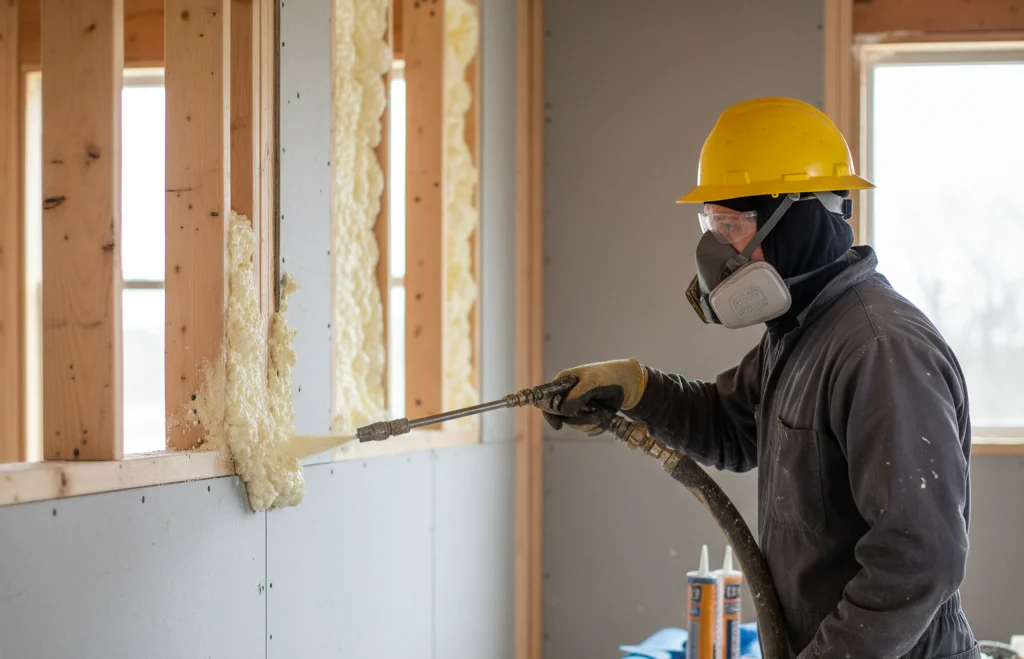
A homeowner should consider project complexity, personal skill level, and safety requirements before deciding between DIY and professional insulation and air sealing. DIY suits simple, accessible areas like weatherstripping doors and sealing visible gaps, but requires careful research and safety practices. Skilled work is better for attics, crawl spaces, wall cavities, and spray foam applications. Verify contractor qualifications by checking licenses, insurance, references, and warranties, then weigh upfront investment against long-term energy savings and reduced risk of improper installation.
Several incentives can reduce the cost of insulation upgrades. Homeowners may claim federal energy efficiency tax credits covering a percentage of qualified insulation and air-sealing expenses using IRS Form 5695. Many states offer additional support through state energy efficiency programs, while local utility companies often offer rebates for attic, wall, and ductwork insulation. Some manufacturers and retailers offer limited-time promotions that can be combined with other incentives when documentation is saved correctly.
Insulation and air sealing should be inspected every 1–3 years, with attics, basements, and crawlspaces checked most often. Wall cavities and duct systems can be reviewed every 3–5 years or after significant renovations. After storms, water damage, or sudden increases in energy bills, immediate checks are wise. Professional evaluations, including blower door or duct testing, are recommended at least every 5 years, or whenever comfort problems or moisture issues appear.
Air sealing and insulation typically increase a home's resale value and often lead to higher appraisals. Buyers see reduced energy bills, better comfort, and fewer maintenance issues as clear benefits, so they are willing to pay more. Data shows well-insulated homes can gain notable property value increases, with specific projects often returning significant value at resale. Energy efficiency upgrades are increasingly crucial to today's environmentally conscious buyers.
Insulation and air sealing reduce the amount of heating and cooling a home needs, so solar panels and heat pumps work more effectively together. By reducing drafts and slowing heat loss, they improve heat pump efficiency, enabling smaller, less expensive equipment and lower operating costs. At the same time, they boost solar panel performance value, because a tighter, better-insulated home needs fewer kilowatt-hours to stay comfortable year-round. This combined approach maximizes return on investment for all efficiency upgrades.
When a home is air-sealed correctly and insulated, everything works more efficiently and feels better to live in. By targeting the most critical areas first, avoiding common installation mistakes, and viewing improvements as a long-term investment, homeowners can lock in lower bills, steadier comfort, and better indoor air quality. With a clear plan and qualified help, these upgrades deliver reliable performance and value year after year. Genesis Construction and Development specializes in builder-led design-build projects that integrate proper insulation and air sealing from the ground up, ensuring your home achieves maximum energy efficiency, comfort, and durability from day one.
© 2025 Genesis Construction and Development Inc. - All rights reserved | Web Design & SEO By: Authority Solutions®