Before designing a custom home, owners must clarify long-term needs, establish a realistic budget, select a suitable homesite, assemble a qualified team, and plan for energy efficiency to avoid costly revisions later.
Before sketching a custom home, owners should clarify long-term needs, budget, and must-have features, then choose a homesite that supports those goals. They establish a realistic budget with contingencies, assemble a qualified custom home builder, architect, and key specialists, and define room counts, layout, and flexibility for future changes.. Planning for energy efficiency, intelligent systems, and aging-in-place early prevents costly revisions, while organizing financing, permitting, and timelines keeps the design process focused and informed.
A successful custom home begins with a clear, honest understanding of how life will unfold in it over the next 10 to 20 years. Clarifying long-term vision starts with household projections, including children, aging parents, and long-term guests, so bedroom counts, bathrooms, and flexible rooms fit both current and future needs. This is the foundation of multi-generational planning and desired lifestyle features.
Work-from-home space must be defined early, with privacy, sound control, and reliable wiring. Accessibility and aging-in-place ideas, such as single-level living and wider doors, protect against costly future changes. Hobbies, storage, and outdoor-living priorities are documented with realistic space and utility needs, while core rooms and their relationships are identified to ensure daily routines feel natural and efficient.
Essential lifestyle planning considerations:
Before any plans are finalized, a custom home budget must account for all major costs, including land and site work, building materials, finishes, and professional fees. By identifying total project costs upfront and setting clear construction allowances for key items, the owner reduces the risk of surprise overruns and difficult trade-offs later.
Adding a thoughtful contingency cushion on top of the base budget protects against price changes, unforeseen conditions, and small design adjustments along the way. Before committing to a specific design direction, it's wise to establish your budget and explore financing options so your long-term vision aligns with what you can realistically build.
Nearly every successful custom home begins with a clear understanding of total project costs, not just a rough guess of what the house itself might cost to build. A disciplined estimate includes land purchase and closing costs, site preparation, hard construction work, soft professional fees, and exterior items such as landscaping and driveways. This level of clarity helps you avoid overcommitting and ensures your housing plans stay aligned with your financial capability.
Owners benefit from blending bottom-up bids with parametric cost-per-square-foot data and market comparables, then refining numbers at each design stage. Clear contingencies are essential, typically 10%–15% for unknowns, plus separate reserves for design changes and price escalation.
| Cost Area | Examples |
| Property & Site | Land, closing, grading, utilities, access roads |
| Construction & Soft Costs | Structure, trades, permits, design and engineering fees |
| Risk & Oversight | Contingencies, financing impacts, cost tracking software |
How can a custom home budget stay honest when so many finishes and fixtures are still undecided at the start? It begins with clear construction allowances. These are line items for cabinets, countertops, flooring, appliances, lighting, landscaping, and more, each given a realistic dollar amount based on the owner's style, inspiration images, and the builder's typical projects.
Preliminary estimates are documented on detailed specification sheets, then checked against prices at recommended showrooms. Transparent allowance tracking keeps every update visible, while fair builder markup practices protect the owner from surprise add-ons. Fixed labor and base construction costs are separated from allowances, so the contract price, overages, and credits can be understood, measured, and adjusted without confusion.
A solid custom home budget does more than cover known costs; it also builds in a bright contingency cushion for the unknowns. Experienced planners first total land, design, construction, and finishing costs, then add budget buffers of 10–15% for routine surprises. For greater protection, especially in higher-end or complex homes, they may set aside up to 20% to cover unexpected expenses such as price spikes or minor design changes.
This contingency sits on top of typical allocations, such as 20–25% for land and 45–55% for construction. It helps absorb issues that careful planning reduces but never eliminates, such as schedule delays or minor construction errors, keeping the project moving without last-minute financial stress.
Selecting the right homesite starts with a clear look at the land itself, including its slope, soil, and shape, because these factors affect drainage, foundation design, and overall construction costs. At the same time, zoning rules and neighborhood regulations must be checked early to ensure the planned home size, height, and use are permitted without costly redesigns. Finally, access to water, power, sewage, and roads needs careful review, as missing or limited utilities can change both the budget and the design.
One of the most essential steps in choosing a homesite is understanding the land's topography, since the shape and slope of the ground quietly determine what can be built, where it can sit, and how much it will cost. By studying landscape topography and natural terrain attributes, a buyer sees how contours, slopes, and natural features will affect design, access, and budget. A topographical survey maps elevation changes, trees, rock outcrops, and man-made surfaces, guiding house placement, driveways, and future outdoor spaces.
| Focus Area | What It Reveals |
| Contours & slope | Foundation type, walk-out options |
| Grading needs | Leveling, retaining walls, tree removal |
| Drainage paths | Flooding and erosion risks |
| Soil conditions | Stability and settlement risk |
| View corridors | Best locations for main rooms and decks |
Before falling in love with a particular lot, it is essential to understand how zoning rules will shape what can actually be built there. A buyer should confirm the zoning district with the local planning department, then check which home types are allowed, including single-family houses, duplexes, or accessory dwelling units. Overlay districts, such as historic or floodplain areas, may add further limits on design, size, or placement.
Next, they should map out setbacks, maximum height, and lot coverage rules, since these determine the buildable area and overall square footage. It is also essential to understand permit and variance procedures, review historic approval precedents, and identify which boards must sign off.
Zoning rules set the limits of what can be built on a lot. Still, the everyday comfort and practicality of living there depend heavily on how easily the home connects to utilities. A careful review of electrical, water, sewer, gas, and internet service shows basic infrastructure feasibility, including whether mains and lateral stubs already reach the property.
An informed buyer examines service capacity, septic versus sewer needs, internet options, and cell coverage, then measures connection distances and notes any obstacles, such as trees, rock, or steep slopes. Early contact with providers reveals fees, permitting requirements, and realistic timelines, enabling phased utility connections and supporting accurate budgeting.
Although designing a custom home begins with ideas and inspiration, the project becomes real only when a capable builder and an architectural team are in place. A strong team helps coordinate with architects, manage technical details, and establish transparent pricing to reduce financial surprises. The relationship you build with your general construction contractor is the foundation upon which your home rests, making this one of the most crucial decisions in the entire process.
Key team assembly priorities:
When a family begins shaping the layout of a custom home, the most crucial step is to align rooms and circulation with how they actually live today and how they expect life to change over time. A careful lifestyle assessment clarifies daily patterns, from remote work needs to entertaining, and then translates them into personalized room functions and practical room counts.
Bedrooms, closets, and living areas are sized for furniture and comfort, not excess, while primary suites may be set apart for privacy. Thoughtful adjacencies, like a direct garage-to-kitchen path, support daily tasks and create seamless spatial transitions. Zoning separates quiet bedrooms from active hubs, and flexible guest or office spaces allow for future growth, aging in place, and potential additions that respect the lot's size and shape.
Layout planning essentials:
Long before finishes and fixtures are chosen, a well-designed custom home starts with a smart energy strategy and coordinated building systems. A whole-house systems approach looks at how insulation, windows, mechanical equipment, and controls work together, focusing first on reducing energy needs and then right-sizing equipment to minimize energy waste.
Energy efficiency strategies:
Before the first shovel hits the ground, a successful custom home project is anchored by solid financing, clear permits, and careful pre-construction planning. Owners typically explore construction or construction-to-permanent loans, reviewing down payment requirements and the duration of funding availability. They learn lender requirements early, gathering credit documentation, income records, and proof of cash reserves.
At the same time, they confirm builder qualifications, ensuring licensing, insurance, and a proven track record that will satisfy the bank and protect the project. A detailed, line-item budget with an apparent contingency supports cost control. Finally, zoning checks, site studies, and permit applications are scheduled in advance, so approvals align with the construction timeline.
Pre-construction preparation steps:
A custom home project typically takes 12–24 months from planning to move-in, depending on complexity, location, and decision-making speed. Pre-construction usually spans 6–12 months, while actual building often requires 7–12 months. Construction timeline considerations include design changes, permit approvals, and weather impacts. Budgeting for potential delays, such as material shortages or labor issues, helps protect both schedule and costs.
During a custom home build, an owner typically needs builders' risk insurance to protect the structure and materials, liability insurance to cover injuries or damage to others, and proof that the contractor has workers' compensation insurance. Coverage for tools and materials in transit is also important. Policies should align with the project's value and schedule, comply with construction permits, and clearly list all parties who need protection as insureds or additional insureds.
Weather and seasons affect construction timelines by shaping climate conditions, site access, and productivity. Heavy rain, snow, and high winds slow work, damage materials, and cause schedule overruns. Extreme heat or cold can limit working hours. Seasonal labor availability also matters, as busy seasons may bring higher wages or shortages, while off-peak periods can lower expenses but risk more weather-related delays.
You can usually live on-site or in an RV only if local rules allow it and the proper permits are granted. Temporary on-site housing often faces zoning limits, safety concerns, and insurance gaps. RV living considerations include approved hookups, restricted access to hazardous work zones, and early-morning noise. Families, pets, and sleep schedules may be heavily disrupted, making full-time on-site living rarely ideal.
Plan to visit the construction site at least once a week, increasing to 2 or 3 times during critical stages such as foundation work and systems rough-in. Agree on a clear review schedule with the builder, tying visits to key milestones and inspections. Consistent contractor communication, before and after each visit, keeps decisions aligned, reduces delays, and helps catch issues early without disrupting the crew's workflow.
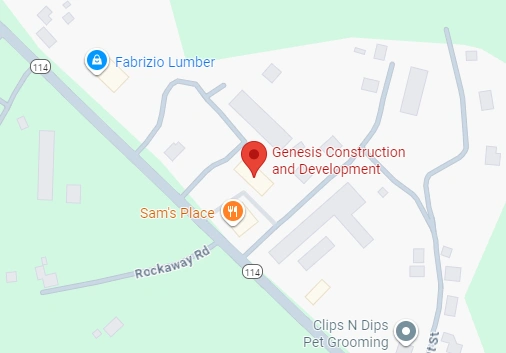
By carefully following these seven steps, a homeowner gains clarity, control, and confidence before any plans are drawn. Understanding priorities, budget limits, and site conditions, combined with a trusted team in place, makes the design process smoother and less stressful. With layout, efficiency, and future needs thoughtfully considered, the custom home is more likely to perform well, feel right, and support long-term goals. Genesis Construction and Development specializes in builder-led design-build services that guide homeowners through each critical step, ensuring precision, transparency, and peace of mind from planning through move-in.
© 2025 Genesis Construction and Development Inc. - All rights reserved | Web Design & SEO By: Authority Solutions®