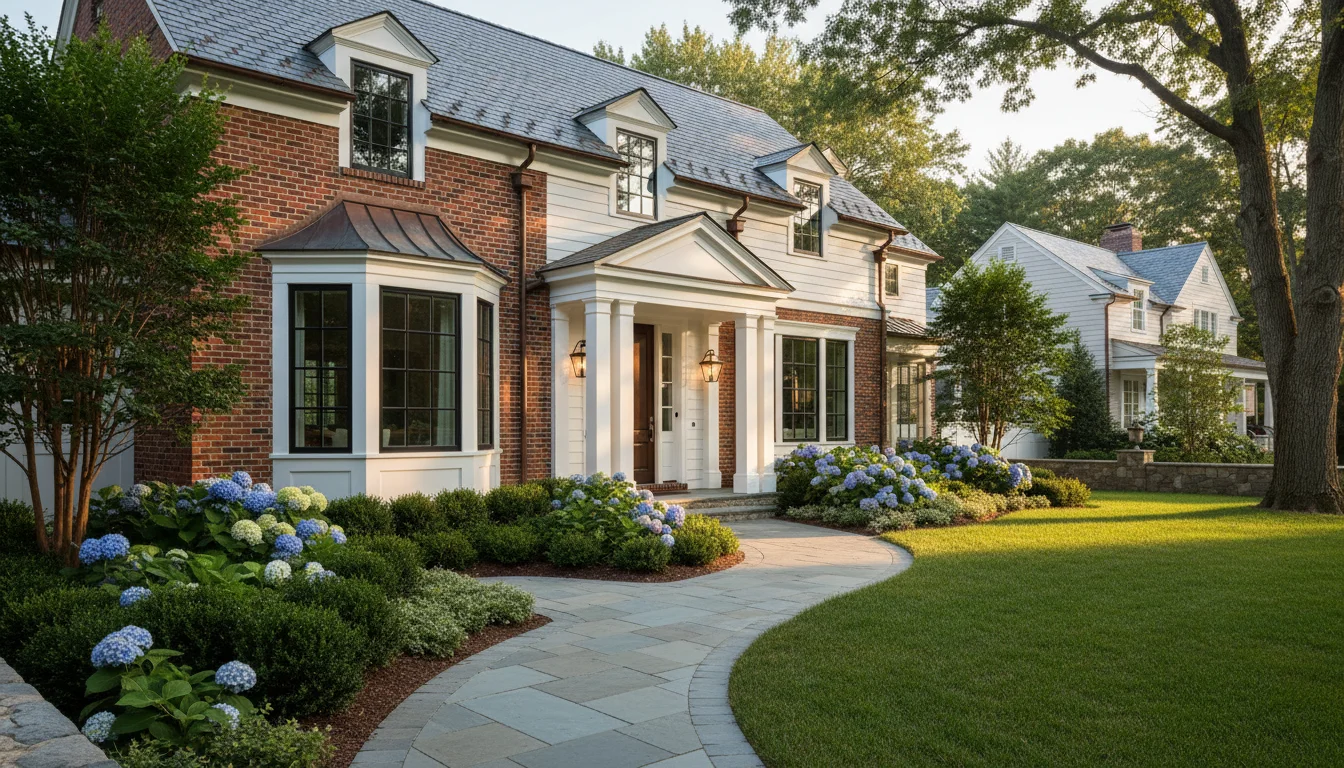
Custom home costs in Massachusetts are driven by five primary factors: site conditions and preparation, design complexity and square footage, material selections and finish quality, energy code compliance requirements, and the level of pre-construction planning. Where you invest within your budget matters more than the total number, because strategic allocation protects both the build quality and your long-term satisfaction.
Budgeting a custom home cost in Massachusetts is fundamentally different from buying an existing home. There's no listing price to anchor expectations. Instead, you're building a budget from the ground up, making hundreds of decisions that each affect the final number. The families we work with at Genesis Construction and Development typically arrive with a general budget range and a vision for their home, but they need guidance on how that budget translates into concrete construction decisions.
This article explains what drives custom home costs in Massachusetts specifically, where smart budget allocation creates the most value, and how working with an experienced custom home builder prevents the budgeting mistakes that lead to overruns and compromises.
The primary cost drivers are land and site preparation, structural complexity, material and finish selections, Massachusetts energy code compliance, and the scope of pre-construction planning. Each one interacts with the others, which is why isolated cost estimates often miss the full picture.
Understanding these drivers helps you make informed decisions before you're locked into a design that exceeds your budget.
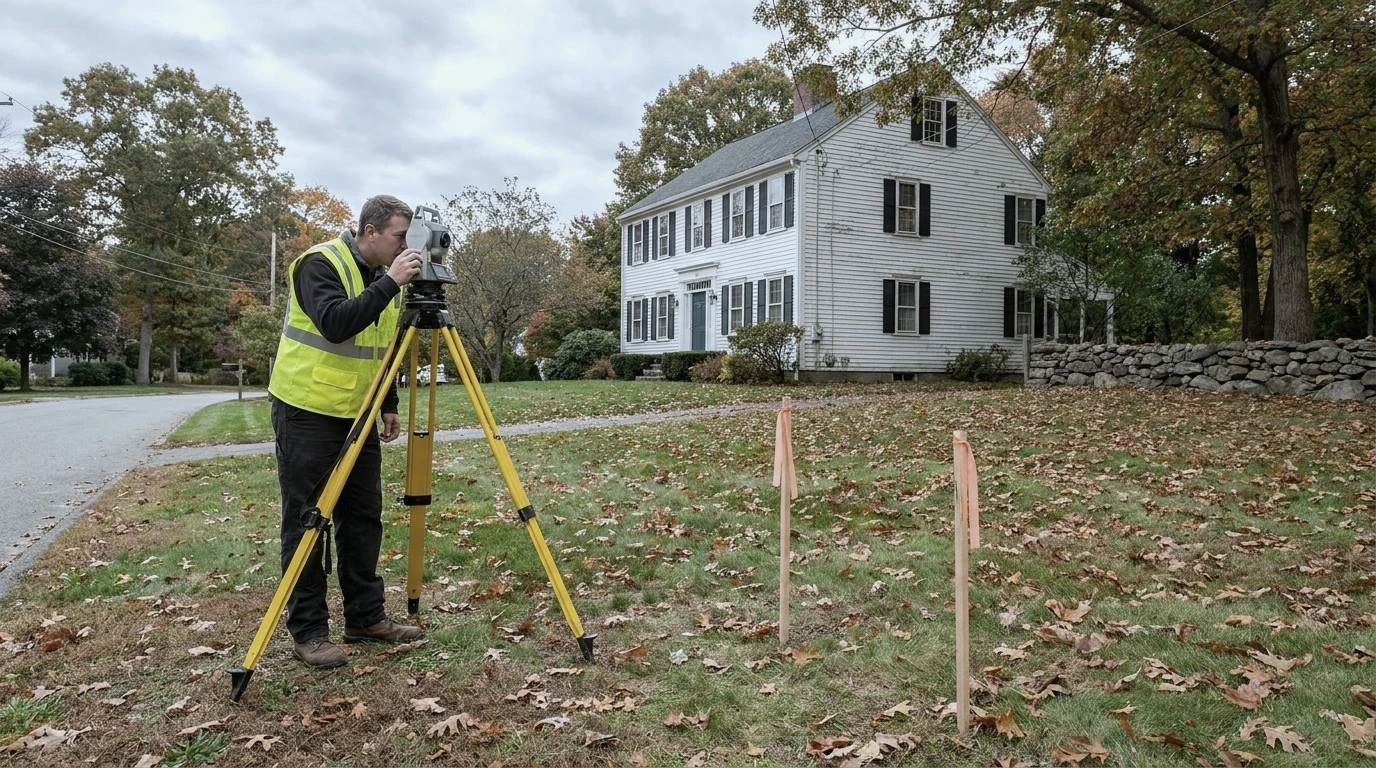
Massachusetts sites present unique challenges. Ledge (subsurface rock) can dramatically increase excavation costs. High water tables affect foundation design. Sloped lots require retaining walls or custom foundation systems. Properties without municipal sewer service require septic system design and installation under Title V, and sites with wetlands trigger Conservation Commission review. Each of these conditions adds cost, and they're specific to your lot. The National Association of Home Builders consistently identifies site work as one of the most variable cost categories in residential construction.
A 3,000-square-foot home with a simple rectangular footprint and standard roof costs significantly less per square foot than a 3,000-square-foot home with multiple rooflines, bump-outs, custom millwork, and varying ceiling heights. Complexity shows up in structural engineering, framing labor, finish details, and the time required for both design and construction. Your custom home designer should help you understand which design elements add cost disproportionate to their aesthetic impact, so you can allocate budget where it matters most to you.
The range between standard and premium finishes is enormous. Kitchen cabinetry, countertops, flooring, windows, exterior cladding, and fixtures all range from budget-friendly to investment-grade. The key is aligning your selections with your priorities rather than upgrading everything uniformly. Most experienced custom home builders help clients identify the 3 to 5 finish categories that matter most to them and allocate budget accordingly.
Massachusetts' stretch energy code adds specific cost implications: high-performance insulation, efficient windows, heat pump systems, ERV/HRV ventilation, and HERS rater fees. These aren't optional. They're code-mandated. But a builder experienced with Massachusetts energy requirements can help you meet code efficiently by selecting systems and strategies that achieve compliance without over-engineering.
| Cost Driver | Impact on Budget | What You Can Control |
| Site conditions | Variable (can add significantly) | Thorough site evaluation before purchase |
| Design complexity | High (affects structure, labor, time) | Simplify rooflines, minimize bump-outs |
| Material selections | Medium to High | Prioritize where quality matters most to you |
| Energy code compliance | Medium (code-mandated) | Efficient system selection with an experienced builder |
| Pre-construction planning | Affects all other costs | Invest in a thorough design and blueprint |

Invest in the building envelope (insulation, air sealing, windows), the kitchen and primary bathroom, structural quality, and the pre-construction planning process itself. These areas deliver the greatest return in comfort, daily satisfaction, and long-term home performance.
Not all budget allocations create equal value. Some investments pay dividends every day you live in the home. Others are expensive but rarely noticed after the first month. Here's where experienced builders recommend allocating strategically:
Where you can save without sacrificing quality: secondary bedroom finishes, garage interiors, basic landscaping (which can be enhanced over time), and standard-grade hardware in lower-traffic areas.
| Investment Priority | Why It Matters | Long-Term Impact |
| Building envelope | Determines comfort and energy costs | 20-30+ years of daily impact |
| Kitchen | Highest-use room, daily satisfaction | Strong resale value contribution |
| Primary bathroom | Daily comfort and functionality | High personal satisfaction |
| Structural systems | Foundation for everything above | Impossible to upgrade later |
| Pre-construction planning | Prevents costly mid-build changes | Protects the entire project budget |
The most common mistakes are underestimating site preparation costs, failing to account for Massachusetts energy code requirements, making finish selections during construction rather than before, and not including adequate contingency in the budget.
These mistakes aren't due to carelessness. They're about not knowing what you don't know, which is exactly why the builder you choose matters so much.
Homeowners routinely underestimate site preparation costs because they can't see what's underground. Ledge removal, foundation drainage, septic systems, and retaining walls can represent a meaningful portion of total project cost. A thorough site evaluation during pre-construction identifies these costs before design locks you into a plan that doesn't fit the reality of your lot.
Massachusetts energy code compliance costs are real and non-optional. Homeowners who budget based on national averages or experience from other states are surprised when insulation, HVAC, and ventilation costs reflect Massachusetts' stringent requirements. Your builder should include these costs in the initial estimate, not present them as add-ons later.
Every material selection you make during construction, instead of before it introduces risk: the product you want might cost more than the allowance, it might have a 12-week lead time, or it might affect other construction decisions. Locking in selections before construction starts prevents both cost surprises and schedule delays.
A well-planned project should carry contingency for unknowns. Experienced design-build teams include contingency in their budgets because they know that even the best-planned projects encounter unexpected conditions. The goal isn't to spend the contingency. It's to have it available so unexpected issues don't force compromises on things that matter to you.
For multifamily investors, budgeting discipline is even more critical because overruns directly reduce project returns. The same principles apply at scale: thorough site evaluation, realistic cost estimation, early system and finish selections, and adequate contingency.
| Common Mistake | Why It Happens | How to Prevent It |
| Underestimating site work | Can't see underground conditions | Thorough site evaluation before design |
| Ignoring energy code costs | Budgeting from national averages | Work with an MA-experienced builder from the start |
| Late finish selections | Decisions postponed to the construction | Lock selections before ground breaking |
| No contingency | Optimism about unknowns | Build 5-10% contingency into the budget |
| Over-upgrading everything | Emotional decision-making | Prioritize 3-5 categories, be strategic elsewhere |

Design-build helps with budgeting because the builder provides running cost estimates throughout design, evaluates the budget impact of every design decision in real time, and creates a comprehensive blueprint that aligns design, construction methodology, and cost before construction begins.
In traditional project delivery, you don't know what your home will actually cost until a contractor bids on finished drawings. If the bid comes back higher than your budget, you're faced with redesign, value engineering, or scope reduction after months of design investment.
In a design-build construction model, the builder is tracking costs from the first design session. When you're choosing between two kitchen layouts, the builder can tell you the cost difference immediately. When the architect suggests a roof change, the builder quantifies the structural and labor impact before it's drawn into the plans. By the time the design is finalized, the budget has been validated at every step.
For custom home design build clients in Massachusetts, this means no bid-day surprises. The comprehensive blueprint that emerges from our process reflects real costs, confirmed materials, and code-compliant specifications. That's how we deliver on the principle that peace of mind is built with precision, not promises.
Site conditions, design complexity, material selections, energy code compliance, and the quality of pre-construction planning are the five primary cost drivers.
Site preparation costs vary significantly based on soil conditions, topography, ledge presence, septic requirements, and environmental constraints. A thorough site evaluation before design helps establish realistic numbers.
Yes. Stretch code requirements for insulation, HVAC, ventilation, and HERS testing are mandated by code. An experienced builder includes these in initial estimates.
Prioritize the building envelope, kitchen, primary bathroom, and structural systems. These deliver the highest daily impact and long-term value.
Most experienced builders recommend 5 to 10 percent contingency for well-planned projects. More complex sites or designs may warrant additional contingency.
Underestimating site preparation costs because homeowners can't see underground conditions. Thorough site evaluation during pre-construction prevents this.
Yes. Finalizing selections before construction prevents cost surprises from over-allowance choices and schedule delays from long lead times.
The builder provides running cost estimates during design, so every decision is evaluated against the budget in real time rather than after drawings are complete.
Yes. Strategic design decisions, smart material selection, and thorough pre-construction planning allow you to build a quality custom home within a well-defined budget.
An estimate is the builder's projection of the project's cost. A budget is the amount you've allocated. A good design-build process aligns both before construction begins.
Custom home budgeting in Massachusetts requires understanding the specific cost drivers that affect projects in this market: site conditions, design complexity, material selections, energy code compliance, and the critical importance of thorough pre-construction planning. The families who navigate this process successfully are the ones who invest in planning, prioritize strategically, lock in selections before construction, and work with a builder who provides cost transparency throughout the design process.If you're planning a custom home in Essex or Middlesex County, contact our team to discuss your budget and vision. We'll help you understand what's realistic for your project, where to invest for maximum value, and how our design-build process creates the cost certainty that turns a budget into a buildable plan.
© 2025 Genesis Construction and Development Inc. - All rights reserved | Web Design & SEO By: Authority Solutions®